
Pasta Primavera
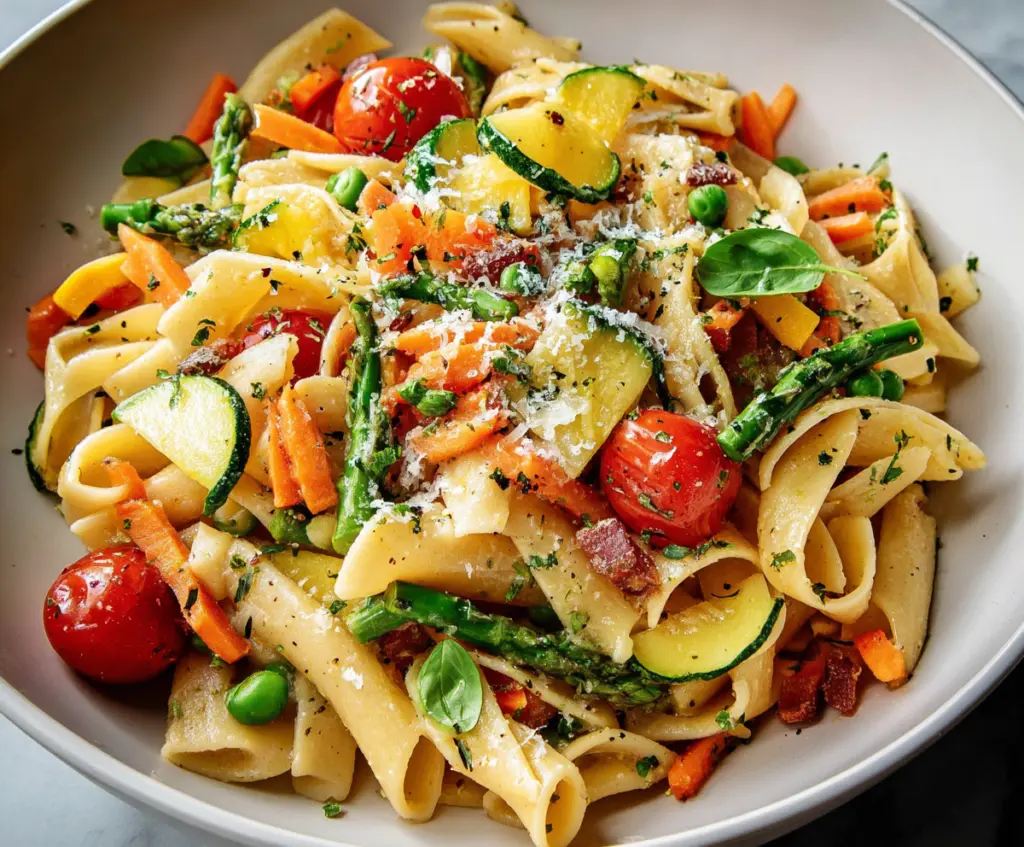
Pasta Primavera is a light and fresh dish that brings together tender pasta with a colorful mix of spring vegetables like bell peppers, cherry tomatoes, and zucchini. It’s usually tossed…
Tip: save now, cook later.Pasta Primavera is a light and fresh dish that brings together tender pasta with a colorful mix of spring vegetables like bell peppers, cherry tomatoes, and zucchini. It’s usually tossed with a simple garlic and olive oil sauce that lets all the natural flavors shine, making each bite bright and satisfying.
I love making Pasta Primavera when the garden is bursting with veggies or when I want something easy but still feels homemade and special. It’s a dish that’s easy to customize—sometimes I add a sprinkle of parmesan or some fresh herbs like basil or parsley to give it an extra pop. Whenever I make it, the kitchen smells amazing, and it’s so nice to eat something that tastes fresh and healthy without a lot of fuss.
One of my favorite ways to enjoy Pasta Primavera is sharing it with friends on a sunny afternoon, maybe with a glass of white wine and some warm crusty bread on the side. It always feels like a celebration of spring, no matter the season. If you haven’t tried it yet, I highly recommend giving this colorful, veggie-packed pasta a go—you might just find your new go-to meal.
Key Ingredients & Substitutions
Pasta: I like using fettuccine or penne because they hold the sauce and veggies well. If you want a gluten-free option, try pasta made from rice, corn, or chickpeas—they work great here.
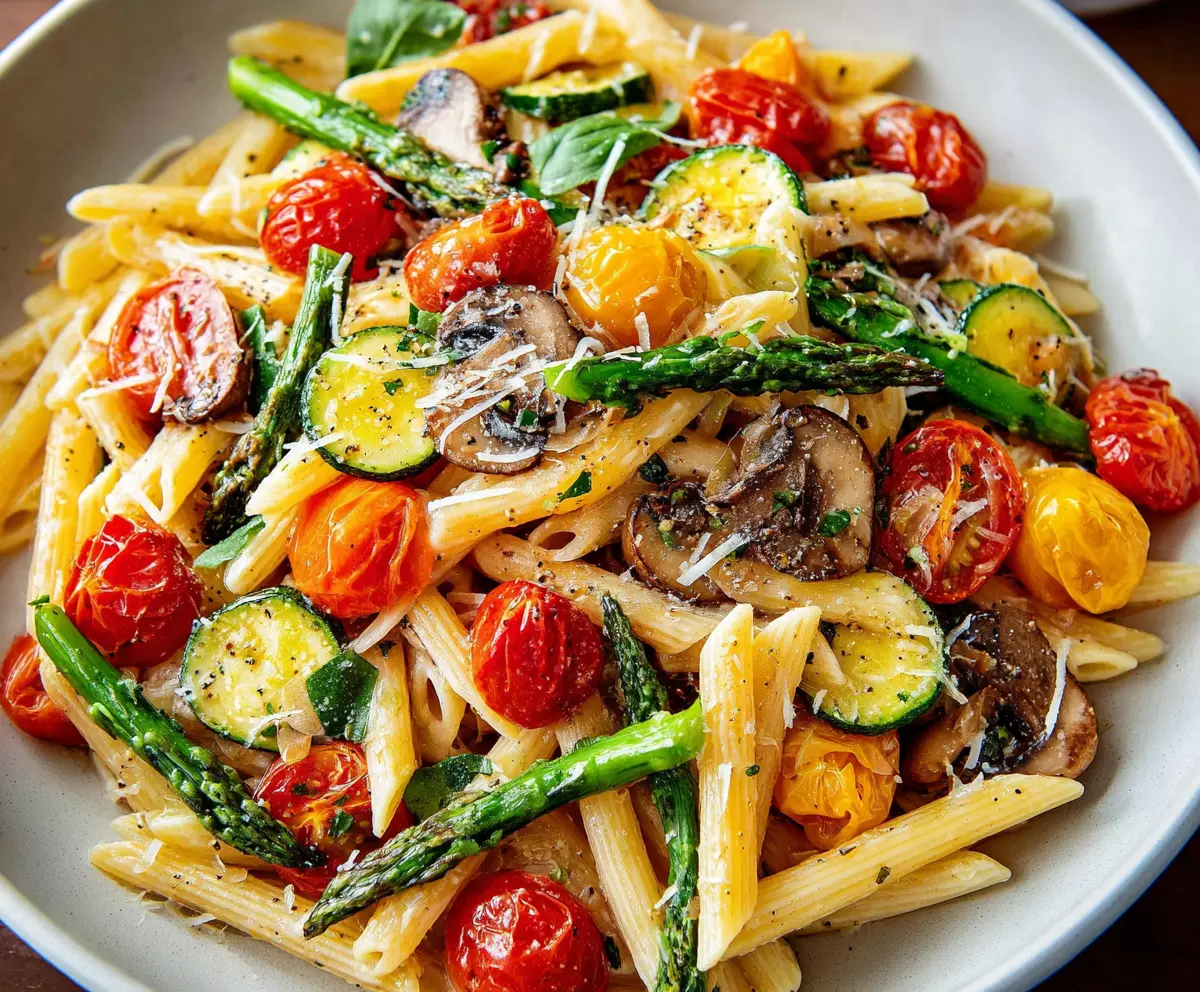
Vegetables: Cherry tomatoes, zucchini, yellow squash, asparagus, carrots, and peas make this dish so colorful and fresh. Feel free to swap in any veggies you love or have on hand, like bell peppers, broccoli, or green beans.
Olive Oil & Garlic: These build the flavor base without overpowering the veggies. If you’re avoiding garlic, a pinch of garlic powder or shallots can work, but fresh garlic really shines here.
Parmesan Cheese: It adds a nice nutty, salty touch. For dairy-free, try nutritional yeast or vegan parmesan alternatives for a similar effect.
Optional Pancetta or Bacon: This adds a smoky, salty crunch. Skip it altogether for a vegetarian version, or add sautéed mushrooms for extra richness instead.
How Can You Cook Veggies Perfectly Without Making Them Mushy?
The secret is to cook the vegetables so they stay crisp and bright. Here’s what works for me:
- Start with frying garlic in olive oil for a minute until fragrant.
- Add the veggies that take longer to cook first—like carrots and asparagus. Cook for 3–4 minutes.
- Add quicker-cooking veggies like cherry tomatoes and peas later and cook just until heated through, about 2 minutes.
- Avoid overcooking by tossing everything quickly and pulling it off the heat while veggies still have a little bite.
- If you want, add a splash of reserved pasta water at the end to help blend the flavors and keep the dish a little saucy.
Keeping the colors vibrant and textures varied makes the dish fresh and enjoyable every time.
Equipment You’ll Need
- Large pot – to boil the pasta evenly without crowding.
- Colander – for draining pasta and veggies easily.
- Large skillet or sauté pan – where you’ll cook the vegetables and combine everything.
- Wooden spoon or silicone spatula – perfect for stirring without scratching your pan.
- Measuring cups and spoons – to keep your olive oil, cheese, and seasonings balanced.
Flavor Variations & Add-Ins
- Add grilled chicken or shrimp for extra protein and a heartier meal.
- Swap Parmesan for feta or goat cheese to add a tangy, creamy twist.
- Include roasted red peppers or sun-dried tomatoes for a sweet, smoky flavor boost.
- Stir in fresh herbs like basil, thyme, or oregano to change the aroma and brightness.
How to Make Pasta Primavera
Ingredients You’ll Need:
- 12 oz pasta (such as fettuccine, penne, or rigatoni)
- 2 tbsp olive oil
- 2 cloves garlic, minced
- 1 cup cherry tomatoes
- 1 medium zucchini, sliced into half-moons
- 1 medium yellow squash, sliced into half-moons
- 1 cup asparagus, cut into 2-inch pieces
- 1 medium carrot, julienned or cut into thin strips
- 1/2 cup green peas (fresh or frozen)
- 1/4 cup fresh basil leaves, chopped
- 1/4 cup grated Parmesan cheese, plus extra for garnish
- Salt and freshly ground black pepper, to taste
- Optional: 1/4 cup cooked pancetta or bacon bits for added flavor
- Fresh basil or parsley leaves for garnish
How Much Time Will You Need?
This dish takes about 25-30 minutes total. You’ll spend around 10-12 minutes cooking the pasta and about 10-15 minutes sautéing the vegetables and mixing everything together. It’s a quick and fresh meal you can enjoy any night of the week!
Step-by-Step Instructions:
1. Cook the Pasta:
Fill a large pot with water, add a pinch of salt, and bring it to a boil. Add the pasta and cook it according to the package instructions until it’s al dente (tender but still firm). Before draining, scoop out about 1 cup of the pasta cooking water and set it aside. Then drain the pasta and set it aside.
2. Cook the Vegetables:
In a large skillet or pan, heat 2 tablespoons of olive oil over medium heat. Add the minced garlic and sauté for about 1 minute until fragrant. Add the carrots and asparagus first since they take longer to cook. Stir and cook for about 4 minutes. Then add the zucchini, yellow squash, cherry tomatoes, and peas. Cook for another 3-4 minutes, stirring occasionally, until vegetables are tender but still crisp.
3. Combine Pasta and Veggies:
Add the cooked pasta to the skillet with the vegetables. Pour in a splash of the reserved pasta water to help blend everything together and keep it moist. Stir in the chopped basil and grated Parmesan cheese. Season with salt and freshly ground black pepper to taste. If using, add the cooked pancetta or bacon bits now and stir everything well.
4. Finish and Serve:
Remove from heat. Garnish with fresh basil or parsley leaves and an extra sprinkle of Parmesan cheese. Serve immediately and enjoy your bright, flavorful Pasta Primavera!
Can I Use Frozen Vegetables for Pasta Primavera?
Absolutely! Just thaw frozen vegetables before cooking or add them directly to the pan but cook a bit longer to prevent excess moisture. Drain any extra liquid if needed to keep the dish from becoming soggy.
How Do I Store Leftovers?
Store leftovers in an airtight container in the fridge for up to 3 days. Reheat gently in a skillet over low heat, adding a splash of water or olive oil to keep the pasta from drying out.
Can I Substitute Parmesan Cheese?
Yes! You can use pecorino, asiago, or nutritional yeast for a dairy-free option. Each gives a slightly different flavor, but all add a nice savory touch.
Is There a Way to Make This Recipe Vegan?
Definitely! Use olive oil, skip the pancetta, and substitute the Parmesan with nutritional yeast or a vegan cheese alternative. Increase the amount of fresh herbs to boost the flavor even more.