
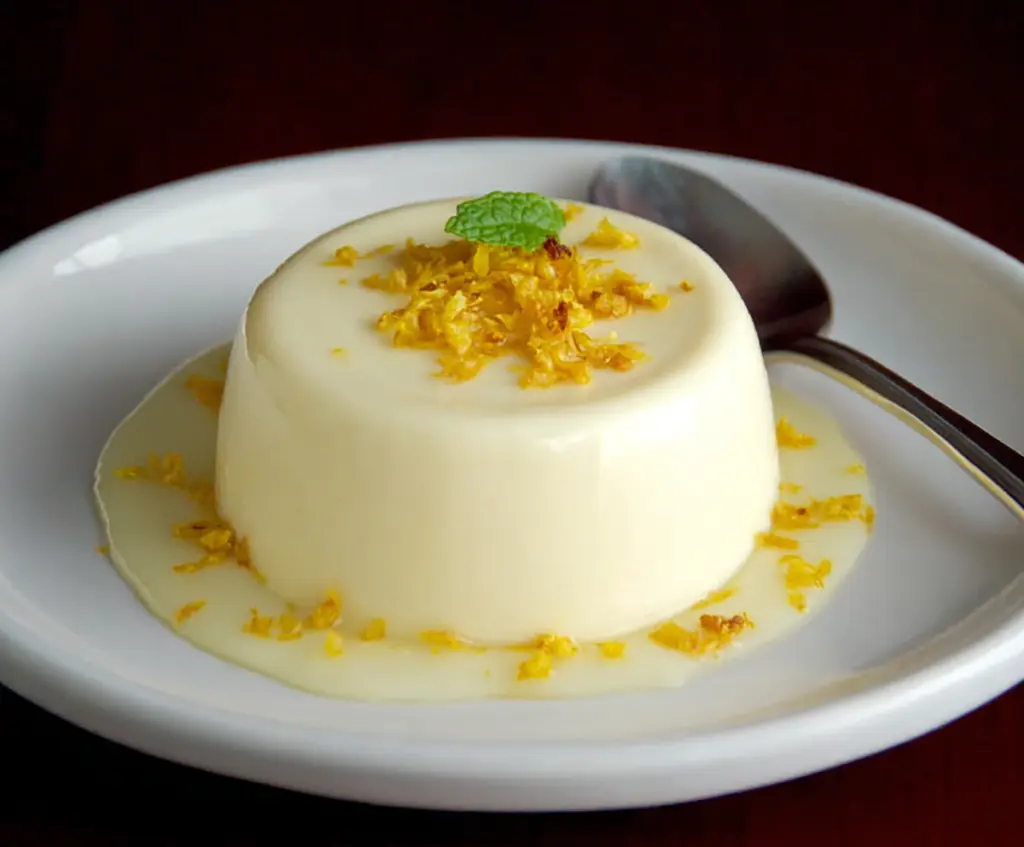
Lemon Panna Cotta
Lemon Panna Cotta is a smooth, creamy dessert with a bright, zesty twist from fresh lemon. It’s silky soft and just a little tangy, making it feel fresh and light.…
Tip: save now, cook later.Lemon Panna Cotta is a smooth, creamy dessert with a bright, zesty twist from fresh lemon. It’s silky soft and just a little tangy, making it feel fresh and light. The gentle lemon flavor makes it perfect for those who love a sweet treat without it being too heavy or overly sweet.
I love making this dessert when I want something simple but impressive. It’s one of those recipes that looks fancy but really comes together quickly. A little tip I’ve found helpful is to use fresh lemon zest along with the juice to get the brightest flavor – it really makes the difference. Plus, it sets up beautifully in the fridge so you can make it ahead of time and have it ready when you need.
My favorite way to serve Lemon Panna Cotta is with a few fresh berries or a drizzle of honey on top. It adds a nice contrast and makes the dessert feel even more special. Whether it’s after a weeknight dinner or a special gathering, this panna cotta always gets comments for being both elegant and refreshing.
Key Ingredients & Substitutions
Heavy cream & whole milk: These give the panna cotta its creamy texture. For a lighter version, swap heavy cream for half-and-half, but texture will be less rich.
Sugar: Granulated sugar works well here, but you can use honey or maple syrup. Just add it while warming to help it dissolve.
Lemon zest & juice: Fresh lemon zest and juice bring bright citrus flavor. Avoid bottled lemon juice—it can taste less vibrant.
Gelatin: Powdered gelatin sets the dessert. If using sheets, follow the package conversion and bloom properly. For a vegetarian option, try agar-agar but expect firmer results.
Vanilla extract (optional): Adds warmth to balance lemon’s tartness. If you don’t have vanilla, it’s okay to skip it.
How Do You Bloom Gelatin Properly for a Smooth Panna Cotta?
Blooming gelatin is key for smooth, jiggly panna cotta without lumps.
- Sprinkle gelatin evenly over cold water—in the recipe, 2 ½ tsp over 3 tbsp water.
- Let it sit for 5 minutes; it will swell and absorb water.
- After warming the cream mixture, stir the swollen gelatin in until fully dissolved. Do not boil as heat can destroy gelatin’s setting ability.
- Make sure the gelatin dissolves completely before straining to avoid any lumps.
Taking these steps ensures a creamy, silky panna cotta every time.
Equipment You’ll Need
- Medium saucepan – perfect for gently warming the cream and milk without boiling.
- Small bowl – to bloom the gelatin evenly in cold water.
- Whisk or spoon – helps dissolve the gelatin smoothly into the warm mixture.
- Fine mesh sieve – ensures a silky panna cotta by removing zest bits.
- Ramekins or molds – ideal for shaping individual panna cottas that look pretty when served.
- Measuring cups and spoons – keep your ingredient amounts accurate for best results.
Flavor Variations & Add-Ins
- Try adding a splash of limoncello for a boozy lemon twist that brightens the flavor.
- Swap lemon zest for orange or lime zest to change the citrus profile easily.
- Stir in fresh berries on top before serving for a pop of natural sweetness and color.
- Mix in a teaspoon of ginger powder or fresh grated ginger for a subtle spicy kick that pairs well with lemon.
How to Make Lemon Panna Cotta?
Ingredients You’ll Need:
Main Ingredients:
- 2 cups heavy cream
- 1 cup whole milk
- 3/4 cup granulated sugar
- 2 teaspoons lemon zest (from about 2 lemons)
- 2 teaspoons fresh lemon juice
- 2 1/2 teaspoons powdered gelatin (about 1 packet)
- 3 tablespoons cold water
- 1 teaspoon vanilla extract (optional)
For Garnish:
- Extra lemon zest
- Mint leaves
How Much Time Will You Need?
This recipe takes about 10 minutes to prepare and mix all the ingredients, plus at least 4 hours chilling time in the refrigerator to allow the panna cotta to fully set. It’s mostly hands-off once you’ve poured the mixture into molds!
Step-by-Step Instructions:
1. Bloom the Gelatin:
Sprinkle the gelatin over the cold water in a small bowl. Let it sit for about 5 minutes so it can bloom and absorb the water.
2. Warm Cream Mixture:
In a medium saucepan, combine the heavy cream, whole milk, and sugar. Warm it over medium heat, stirring from time to time, until the sugar completely dissolves and the mixture is hot but not boiling.
3. Flavor the Mixture:
Take the saucepan off the heat. Stir in the lemon zest, lemon juice, and vanilla extract (if using). Mix well to blend all the flavors together.
4. Add Gelatin:
Add the bloomed gelatin to the warm cream mixture. Stir until the gelatin is fully dissolved for a smooth texture.
5. Strain the Mixture:
Pour the mixture through a fine mesh sieve into a large measuring cup or bowl. This step removes any lemon zest pieces, giving your panna cotta a silky finish.
6. Pour and Chill:
Pour the strained mixture evenly into lightly greased ramekins or molds. Place them in the fridge and chill for at least 4 hours, or until the panna cotta has fully set.
7. Serve with Garnish:
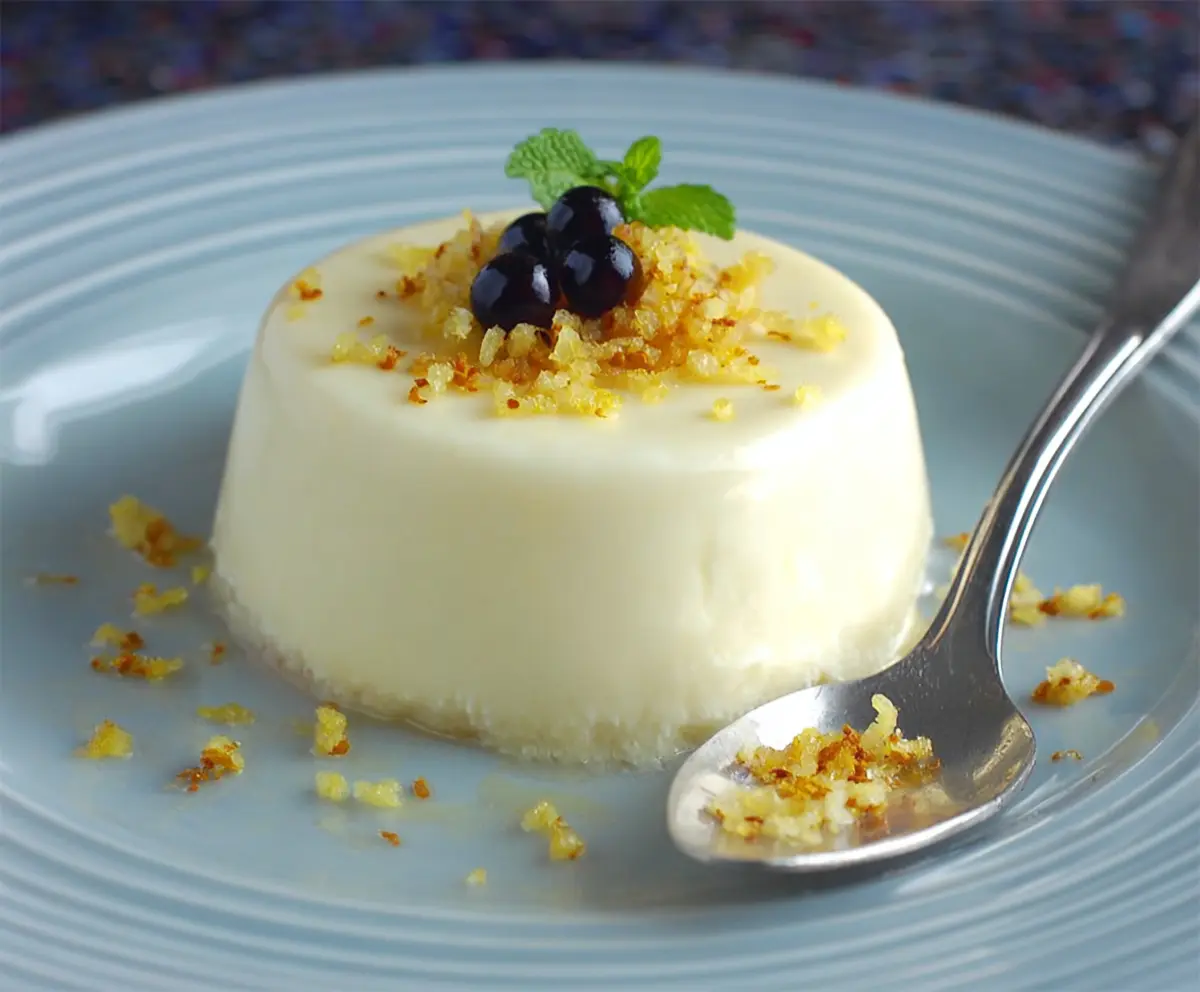
To serve, gently run a knife around the edges to loosen the panna cotta, then carefully invert each onto a serving plate. Garnish with extra lemon zest and a fresh mint leaf for a bright, fresh touch.
Enjoy your creamy, tangy lemon panna cotta that perfectly balances sweet and zesty flavors!
Can I Use Gelatin Sheets Instead of Powdered Gelatin?
Yes! For gelatin sheets, soak them in cold water for about 5-10 minutes until soft, then gently dissolve in the warm cream mixture. Use about 3 sheets for this recipe as a general substitute.
Can I Prepare Lemon Panna Cotta Ahead of Time?
Absolutely! You can make it up to 2 days in advance. Keep the panna cotta covered and refrigerated until ready to serve for the best texture and freshness.
How Should I Store Leftover Panna Cotta?
Store leftovers in an airtight container in the refrigerator for up to 3 days. If unmolded, cover the plates tightly with plastic wrap to prevent drying out.
Can I Substitute Heavy Cream with a Lighter Option?
You can use half-and-half or a mix of milk and cream for a lighter version, but note the panna cotta will be less rich and creamy. Avoid using just milk as it won’t set as well.