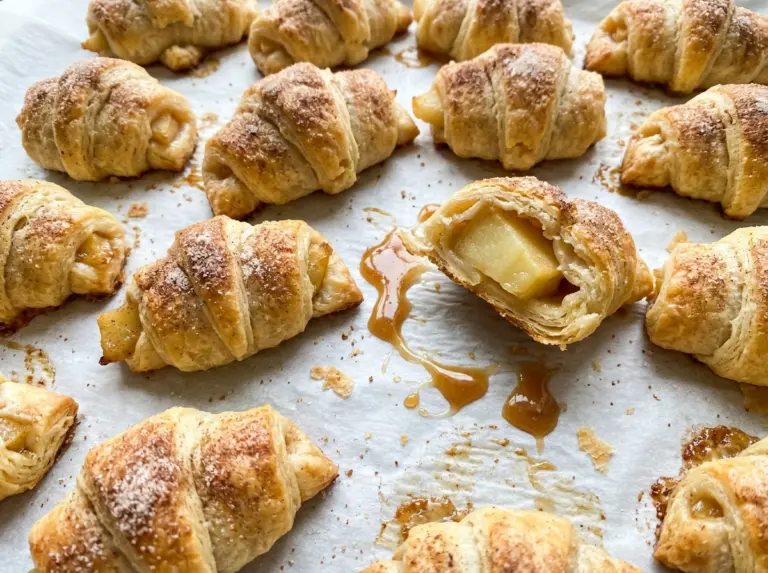
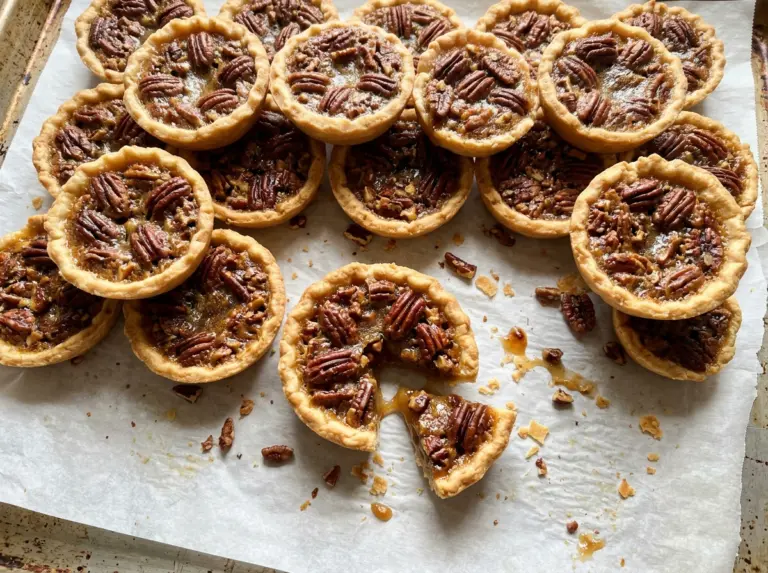
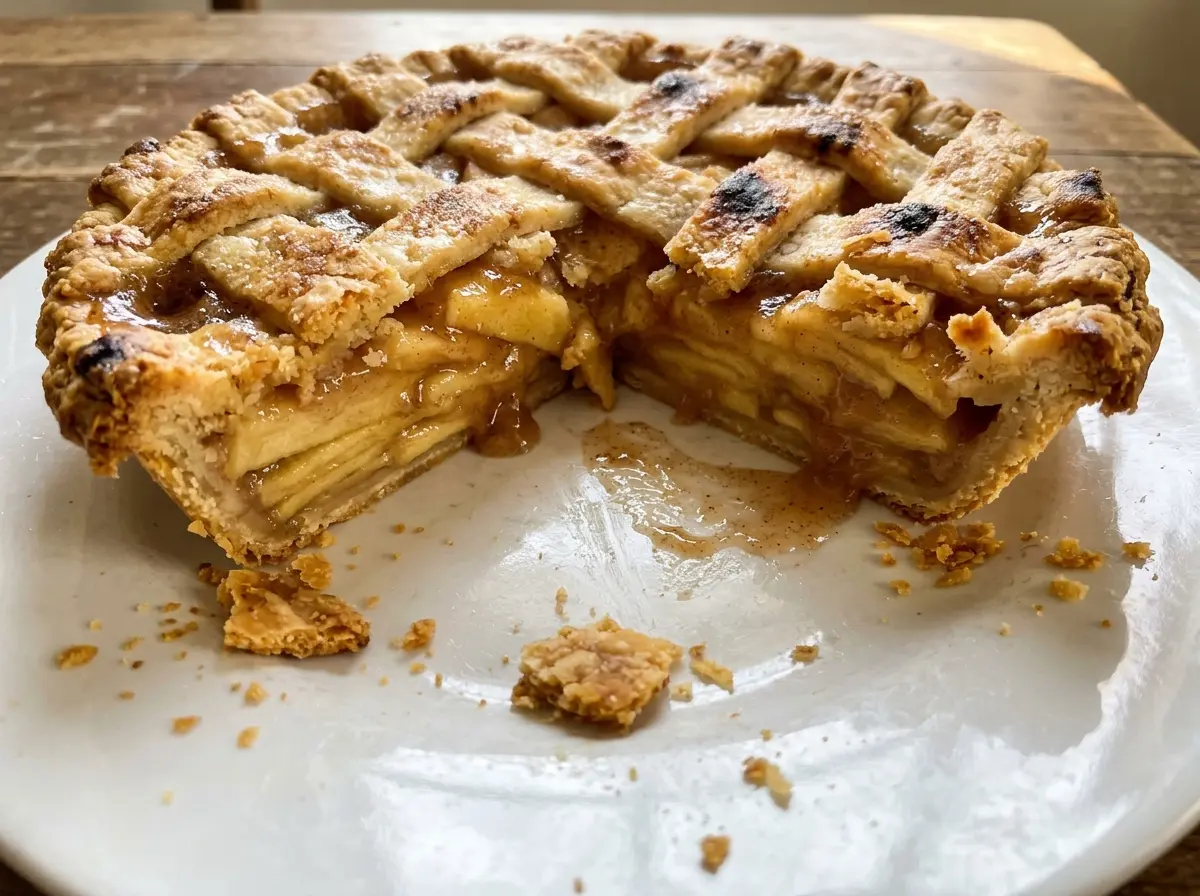
When thick apple juices begin bubbling up between the lattice strips, you get a clear sign the pie is nearly there. I watch for that bubbling along with a deep-golden crust; color alone won’t tell you whether the filling has cooked through. This classic apple pie with buttery lattice crust pairs tart Granny Smith apples with sweet Honeycrisp, so each slice has a bright apple flavor instead of tasting sugary.
The thin apple slices and a measured amount of cornstarch help the filling cook evenly and hold together after baking. I cut the apples into 1/4-inch slices, then toss them with the sugar, spices, and lemon juice just before filling the crust. Once the pie comes out of the oven, patience matters: the juices need time to settle into a sliceable filling beneath that crisp, buttery lattice.
Kitchen Note
Give the pie at least 3 hours on a rack before slicing. The center can look settled before it’s ready; cutting early lets the hot filling run across the plate instead of holding its shape.
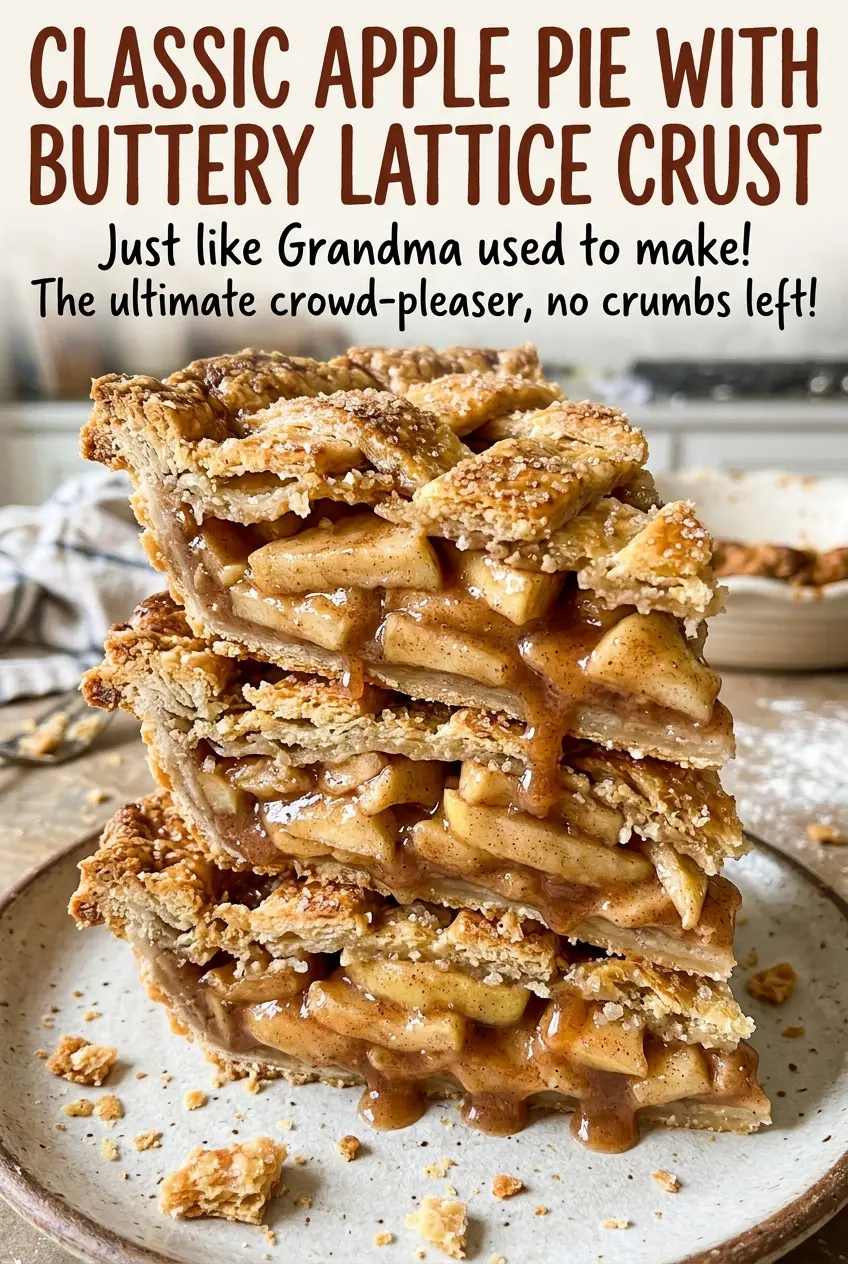
Save this classic apple pie with buttery lattice crust for its tender apple filling and golden, sugar-crisp top.
Why Thin Apple Slices Matter More Than Extra Sugar
A pile of apples can look generous in the bowl, but thick slices take longer to soften and can leave you with a pie that’s tender in some places and firm in others. Cutting them to 1/4 inch gives the apples a better chance of cooking through during the bake, while keeping enough shape to feel like fruit rather than sauce. It also makes the filling easier to mound evenly inside the crust.
Adding more sugar won’t fix apples that haven’t softened, and it can push the filling toward cloying. The combination of Granny Smith and Honeycrisp gives the pie a balance of tartness and sweetness without relying on extra sugar. Cornstarch helps thicken the juices, but it needs the filling to get hot enough to bubble. Look for thick bubbles coming through the lattice, then let the pie cool before judging the set. That combination of thin slices, bubbling filling, and a full cooling rest is what gives each wedge its shape.
Granny Smith, Honeycrisp, and the Ingredients That Hold the Filling Together
- Granny Smith and Honeycrisp apples — Their different sweet-tart qualities keep the filling lively. Choose firm apples without bruised or mealy spots; there’s no need to seek out a premium label. Peel, core, and slice them evenly so they soften at the same pace. If you have more of one variety than the other, keep both in the mix and let the balance lean toward the flavor you prefer.
- Cold unsalted butter — Butter gives the crust its rich flavor and flaky texture, and keeping it cold helps it stay in small pieces while you work it into the flour. A fresh, ordinary supermarket butter works well here. The measured salt is easier to control with unsalted butter, so salted butter isn’t a direct swap without changing the seasoning.
- All-purpose flour — It gives the dough enough structure to roll, fold, and hold the lattice together. A standard all-purpose flour is right for this crust; specialty flour isn’t needed. Spoon it into the measuring cup and level it rather than packing it down, which can make the dough dry.
- Cornstarch — This thickens the apple juices without making the filling taste floury. Use it as the listed thickener rather than exchanging it spoon-for-spoon with another pantry thickener; they don’t behave identically in this filling.
- Cinnamon, nutmeg, and lemon juice — Cinnamon brings the familiar warm note, nutmeg adds a quieter background spice, and lemon juice lifts the fruit. Fresh ground spices have a clearer aroma, but the regular jars in your spice cabinet work. If you prefer a simpler spice flavor, leave out the nutmeg rather than replacing it with another spice.
- Egg, milk, and coarse sugar — The egg and milk make a wash for the lattice and edge, while coarse sugar adds a noticeable crunch on top. A fresh egg whisks smoothly; the milk can be a basic kind you already keep on hand. Coarse sugar is worth using for its texture, since fine granulated sugar won’t give the same finish.
From Pea-Size Butter to Bubbles Through the Lattice
Cut the butter in without warming it
Whisk the flour and salt in a large bowl, then work in the cold butter with a pastry cutter or your fingertips. Stop when most pieces are about pea-size; they shouldn’t disappear into the flour. Drizzle in the ice water and mix with a fork until the dough starts to clump. Divide it in half, shape each piece into a disk, wrap, and refrigerate for at least 1 hour.
Fit the bottom crust into the deep-dish plate
Heat the oven to 425°F with a rack in the lower third, and put a rimmed baking sheet on the rack as it heats. Roll one disk between sheets of parchment into a 12-inch round, then ease it into a 9-inch deep-dish pie plate. Leave about 1 inch of dough hanging over the rim. The overhang gives you enough dough to tuck the lattice ends under and crimp the edge later.
Mound the filling and weave the lattice
Toss the apples with the sugar, cornstarch, cinnamon, nutmeg, and lemon juice, then mound them in the lined plate. Roll the second disk between parchment into a 12-inch round and cut ten strips, each 3/4 inch wide. Weave the strips over the apples, then tuck their ends beneath the bottom-crust overhang and crimp the edge closed. Whisk the egg with the milk, brush the wash over the lattice and edge, and sprinkle on the coarse sugar.
Bake until the juices bubble, then let the pie settle
Set the pie on the hot baking sheet and bake at 425°F for 20 minutes. Reduce the oven to 375°F and continue baking for 40–55 minutes, tenting the edges with foil if they brown too quickly. The crust should be deep golden, with thick juices bubbling through the lattice; pale crust or quiet filling means it needs more time. Move the pie to a rack and let it cool before slicing so the filling can set.
Small Changes That Keep This Pie’s Character
Lean the apple mix a little tarter
Keep both Granny Smith and Honeycrisp, but use a greater share of Granny Smith for a sharper, more tart filling. The pie still has the Honeycrisp’s sweetness in the mix, though the fruit will taste less mellow overall.
Let cinnamon lead the spice
For a cleaner cinnamon-forward filling, omit the nutmeg and leave the cinnamon as the only ground spice. The apple flavor stays familiar, with less of the warm, background spice note.
Skip the egg wash for a matte top
Leave off the egg-and-milk wash if you prefer a less glossy crust. The coarse sugar won’t cling as firmly, and the lattice will have a more matte finish rather than the shiny, golden look of the finished pie.
Storage and Reheating
- Refrigerator: Cover the cooled pie and refrigerate leftovers for up to 4 days. The crust softens as it sits.
- Freezer: Freeze the fully cooled pie tightly wrapped for up to 3 months. Thaw it in the refrigerator; the crust may be a little less crisp afterward.
- Reheating: Warm slices in the oven until heated through for a crisper crust. The microwave works for a quick portion, but it softens the pastry.
Questions That Come Up While Baking This Apple Pie
Classic Apple Pie with Buttery Lattice Crust
Ingredients
Equipment
Method
- Whisk the flour and salt together in a large bowl.
- Cut in the butter with a pastry cutter or your fingertips until the pieces are mostly pea-size.
- Drizzle in the ice water and mix with a fork until the dough starts to clump.
- Divide the dough in half, shape each half into a disk, wrap, and refrigerate for at least 1 hour.
- Heat the oven to 425°F with a rack in the lower third and a rimmed baking sheet on the rack.
- Roll one dough disk into a 12-inch round between sheets of parchment, then fit it into a 9-inch deep-dish pie plate, leaving about 1 inch of overhang.
- Toss the apples with the sugar, cornstarch, cinnamon, nutmeg, and lemon juice, then mound the mixture in the crust.
- Roll the second dough disk into a 12-inch round between sheets of parchment and cut it into ten 3/4-inch strips.
- Weave the strips over the filling, then tuck their ends under the bottom-crust overhang and crimp the edge.
- Whisk the egg with the milk, brush it over the lattice and edge, and sprinkle with the coarse sugar.
- Set the pie on the hot baking sheet and bake at 425°F for 20 minutes, then reduce the oven to 375°F and bake for 40–55 minutes more, tenting the edges with foil if they brown too quickly, until the crust is deep golden and thick juices bubble through the lattice.
- Cool the pie on a rack for at least 3 hours before slicing so the filling can set.