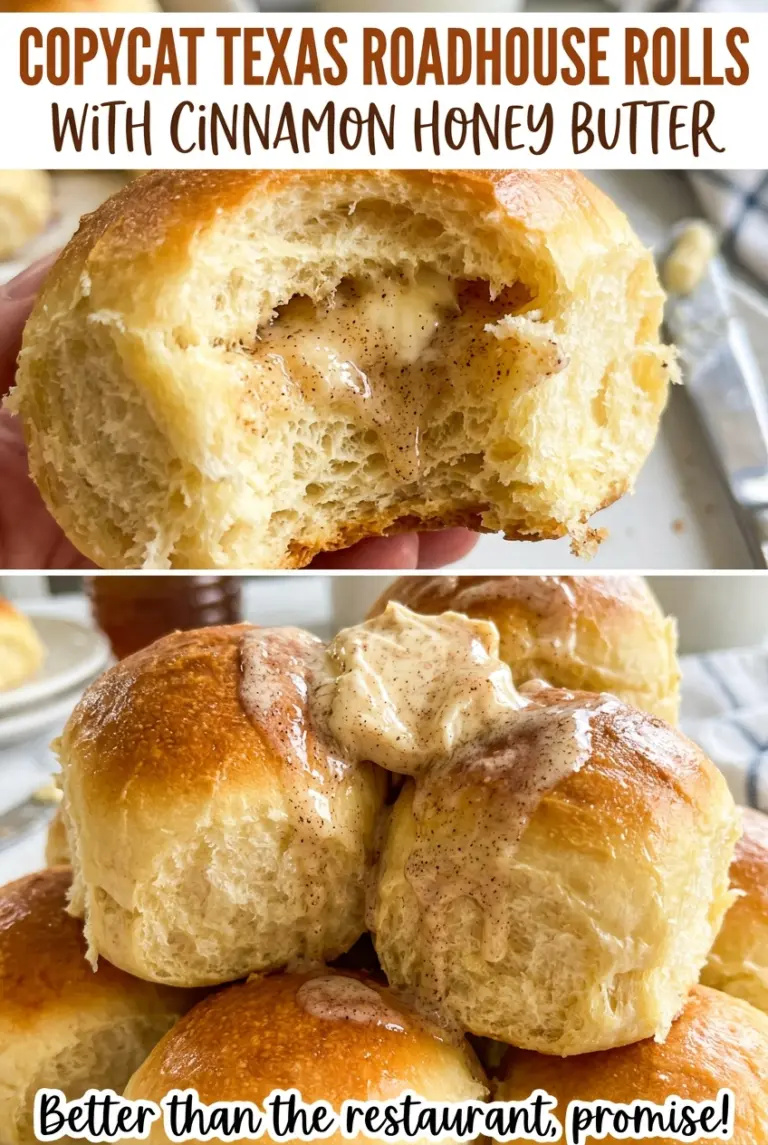
When the rolls rise in the baking dish, their sides meet and the spaces between them disappear. That’s the moment I look for before they go into the oven: puffy rolls bake into soft sides that pull apart easily, while the tops turn golden. These fluffy potato rolls with buttery tops are tender without being fussy, and the dough is forgiving as you knead it.
Plain mashed potato gives the rolls a soft, plush crumb, and shaping the dough into 12 balls keeps them easy to serve. I brush the tops with melted butter while they’re still hot, so it coats the surface instead of sitting in little streaks. Let them rest in the pan before pulling them apart, and you’ll have warm, pillowy rolls with a buttery finish.

Kitchen Note
Give the rolls their full 10-minute rest in the pan after brushing on the butter. They’re delicate right out of the oven, and that short pause helps them settle before you pull them apart.
Save these fluffy potato rolls with buttery tops for a meal that needs soft, pull-apart rolls straight from the pan.
Why Potato Rolls Need a Lighter Hand with Flour
Mashed potato brings moisture and starch into this dough, which is why it feels different from a basic milk-and-flour dough. The exact amount of flour the dough can take depends on how moist your mashed potato is, so the full amount isn’t a target you need to reach. Start with the first 4 cups, then add only what helps you knead the dough without making it stiff.
That slightly tacky feel is useful. A dry, firm dough can bake into rolls that feel dense instead of soft, and adding flour just because the dough clings a little to your fingers can push it in that direction. Keep kneading until the surface looks smoother and the dough feels elastic, then stop adding flour when it’s manageable. A light dusting on the work surface is enough; you don’t need to bury the dough in flour.
The potato should be plain and cooled before it goes into the bowl. Seasoned or buttery mashed potatoes bring extra salt, fat, and moisture that aren’t accounted for here. Keeping the potato simple lets the rolls stay tender without making the dough harder to judge.
What the Potato, Milk, and Flour Each Bring to These Rolls

- Plain mashed potato — It’s the reason the crumb turns out soft and tender. Use potato that’s cooled, with no added seasoning or toppings; a lumpy mash is fine as long as it’s evenly mashed enough to blend into the dough. Sweet potato or instant potato flakes aren’t a straight swap here because they change the dough’s moisture and texture.
- Whole milk — Milk gives the dough richness and helps make a tender roll. Warm it gently rather than using it cold from the refrigerator; the yeast mixture needs to reach the stated temperature before it rests. Whole milk gives the fullest result, while a lower-fat milk may make the rolls a little less rich.
- Active dry yeast — This yeast is mixed into the warm milk with sugar before the other dough ingredients go in. Keep the packet or jar fresh and measure it accurately; old yeast may not foam well, and the dough may rise slowly.
- Large egg — The egg adds richness and helps bring the dough together. Let it come to room temperature so it blends more easily into the milk and potato mixture rather than cooling the warm liquid.
- Canola oil — A neutral oil keeps the dough soft without bringing a strong flavor. Use canola for the intended mild taste; a strongly flavored oil would stand out in these rolls.
- All-purpose flour — It gives the dough structure, but the amount you need depends partly on the moisture in the potato. Add the extra flour gradually while kneading, stopping when the dough is smooth and tacky rather than dry.
- Unsalted butter — Brushing it over the rolls while they’re hot gives the tops their buttery finish. Unsalted butter keeps the finish from becoming saltier than intended.
How to Knead, Shape, and Bake Soft Potato Rolls
Wake Up the Yeast in Warm Milk
Warm the milk to 105–110°F, then stir in the sugar and active dry yeast. Let the mixture stand for 5–10 minutes while you get the remaining ingredients ready. It should look foamy before you move on. If the milk is too hot, it can interfere with the yeast, so use a thermometer instead of guessing when you warm it.
Bring the Dough Together and Knead Until Tacky
Stir the cooled mashed potato, egg, canola oil, salt, and 4 cups of flour into the yeast mixture until a shaggy dough forms. Turn it onto a lightly floured surface and knead for 8–10 minutes. Add some of the remaining flour only if the dough is too sticky to handle; it should become smooth and elastic but still feel a little tacky. Adding all the flour automatically can leave you with a firmer dough than you want.
Let the Dough Rise, Then Shape 12 Rolls
Put the dough in the greased bowl, cover it, and leave it in a warm place for 60–90 minutes, until it has doubled in size. Grease a 9×13-inch baking dish, divide the dough into 12 equal pieces, and shape each piece into a ball. Arrange the balls in the dish, cover them, and let them rise for 35–50 minutes. They’re ready when they look puffy and are touching one another.
Bake Until Golden and Brush While Hot
Heat the oven to 375°F and bake the rolls for 18–22 minutes, until the tops are golden brown. Melt the butter in a small microwave-safe bowl or saucepan while they bake so it’s ready when the pan comes out. Brush the hot rolls with the melted butter, then leave them in the pan for 10 minutes before serving. If the tops are browning before the rolls are baked through, use the visual cue of golden color alongside the full baking window rather than pulling them out as soon as they color.
Simple Ways to Adapt These Potato Rolls
Make the rolls dairy-free
Replace the whole milk with the same amount of unsweetened soy milk, and use dairy-free butter for brushing the tops. The dough may have a slightly different richness, but the rolls will still rise and bake into soft dinner rolls. Choose plain, unsweetened soy milk rather than a sweetened or flavored variety.
Leave off the buttery tops
Skip the melted butter if you prefer a plain roll or want to use the bread for sandwiches. The rolls will still bake as usual, but the tops won’t have the glossy finish or buttery flavor. This change only removes the butter on top; the dough still contains milk.
Storage and Reheating
- Room temperature: Keep completely cooled rolls in an airtight container for up to 2 days; they’ll gradually lose some softness.
- Refrigerator: Refrigeration isn’t the best choice for bread because it can make the rolls stale faster.
- Freezer: Freeze completely cooled rolls in a freezer-safe airtight bag for up to 2 months. Thaw at room temperature while covered.
- Reheating: Warm a roll in the microwave in short bursts until heated through. Long microwave heating can make bread chewy, so stop as soon as it’s warm.
Questions That Come Up When Baking Potato Rolls
Fluffy Potato Rolls with Buttery Tops
Ingredients
Equipment
Method
- Grease a 9x13-inch baking dish and a large bowl with cooking spray.
- Warm the milk to 105–110°F.
- Stir the sugar and yeast into the warm milk.
- Let stand for 5–10 minutes, until foamy.
- Stir in the mashed potato, egg, canola oil, salt, and 4 cups of flour until a shaggy dough forms.
- Knead on a lightly floured work surface for 8–10 minutes, adding up to the remaining 1/2 cup flour as needed, until the dough is smooth and tacky.
- Put the dough in the greased bowl, cover, and let rise in a warm place for 60–90 minutes, until doubled in size.
- Divide the dough into 12 equal pieces and shape them into balls.
- Arrange the balls in the prepared baking dish, cover, and let rise for 35–50 minutes, until puffy and touching.
- Heat the oven to 375°F.
- Bake the rolls for 18–22 minutes, until golden brown.
- Melt the butter in a small microwave-safe bowl or saucepan while the rolls bake.
- Brush the hot rolls with the melted butter.
- Let the rolls rest in the pan for 10 minutes before serving.