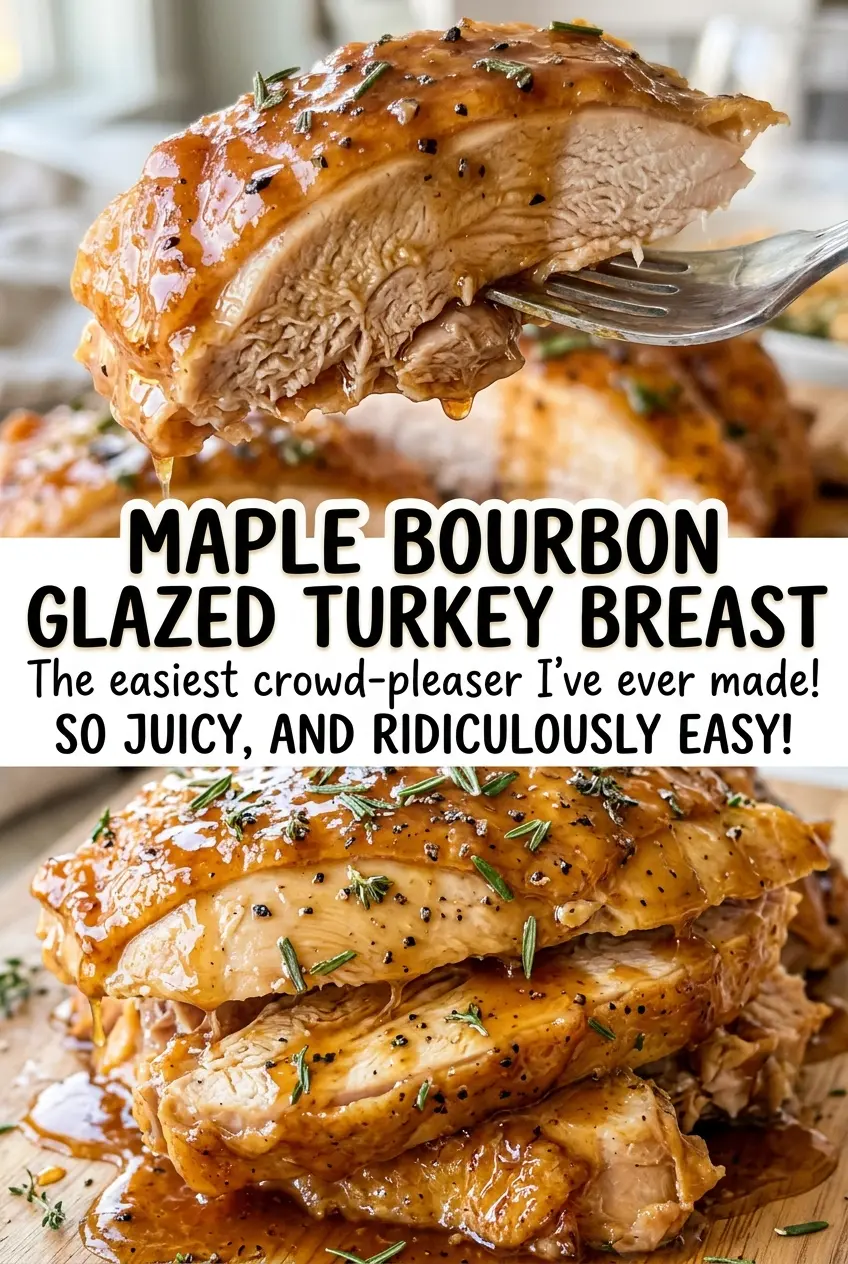
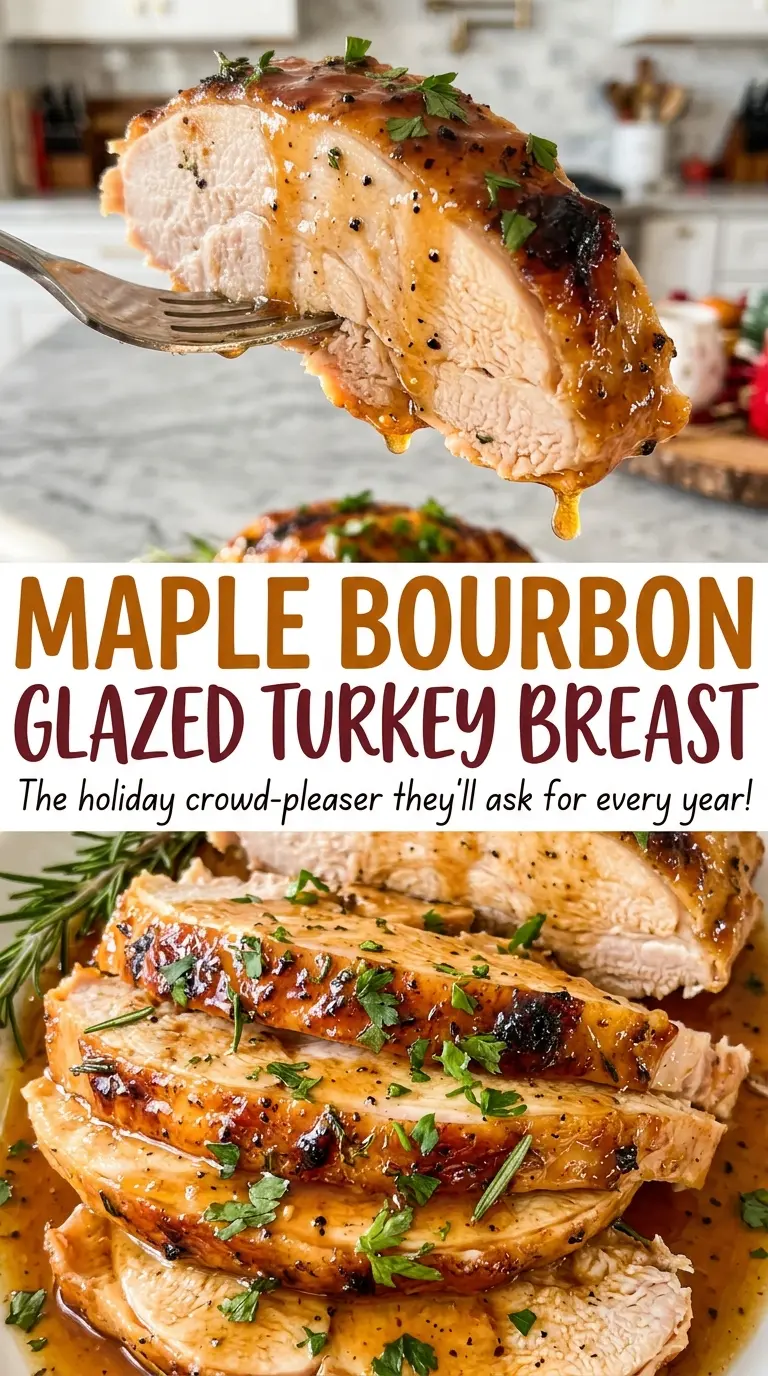
The first brush of maple glaze shouldn’t go on while the turkey is still far from done. Syrup can darken during a long roast, so I let the breast cook most of the way before adding the glaze in two layers. That timing gives this Maple Bourbon Glazed Turkey Breast a glossy, sweet-savory finish without asking the maple to sit in the oven for the entire roast.
I use a bone-in, skin-on breast and rub softened butter both over and under the skin before seasoning it with thyme, salt, and pepper. The bone helps the breast roast evenly, while the skin gives the glaze a surface to cling to. Bourbon brings a warm, rounded note; Dijon and apple cider vinegar keep the sweetness from taking over. The slices come out tender, with maple and bourbon gathered on the skin.
Kitchen Note
Take the saucepan off the heat before whisking in the butter. That off-heat finish helps the glaze stay smooth and glossy instead of separating while it bubbles.
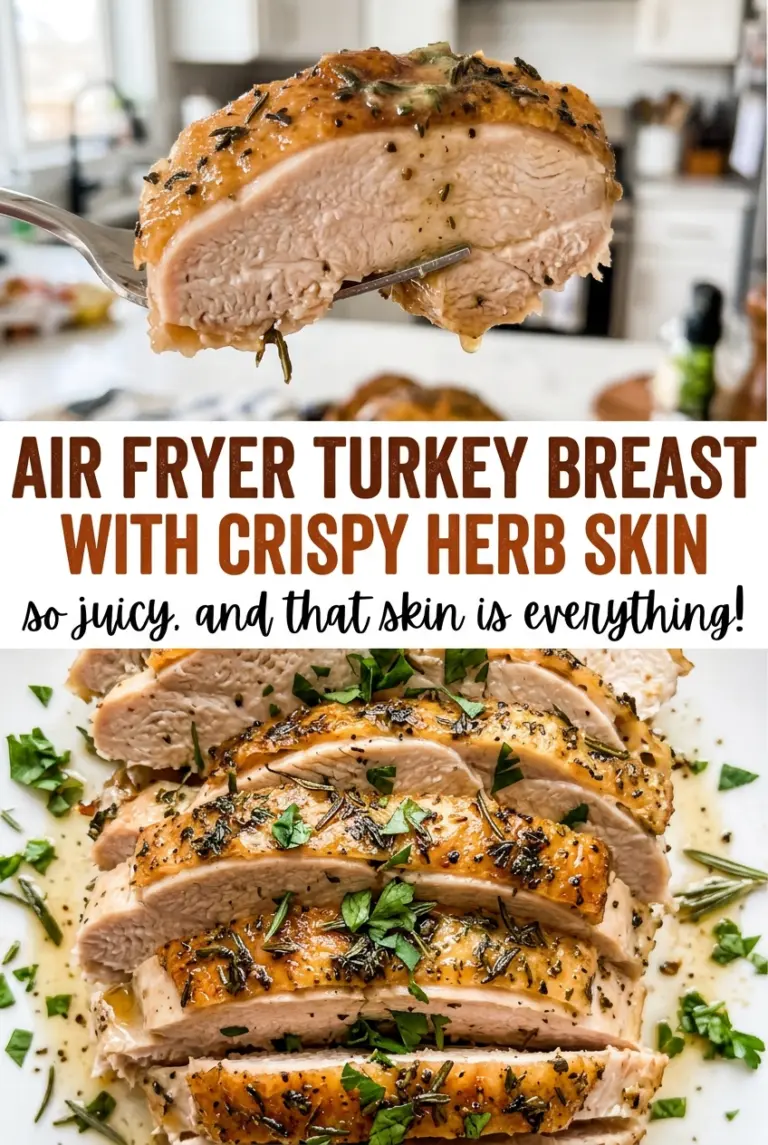
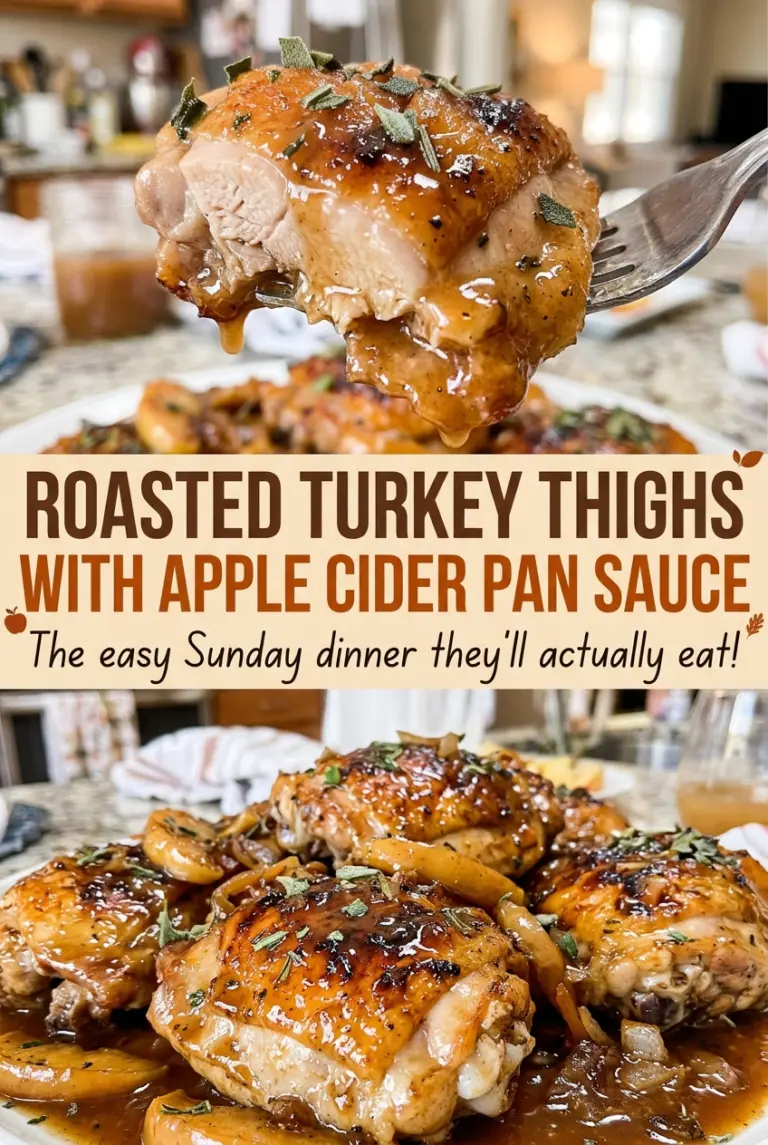
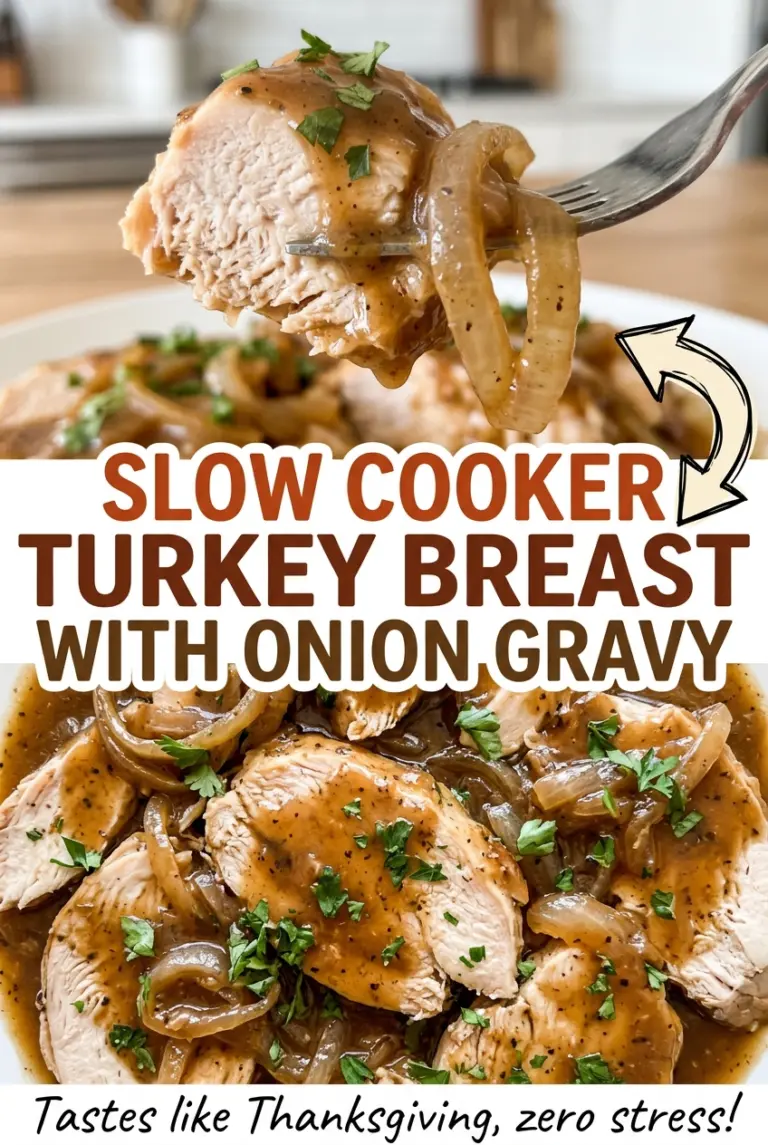
Save this Maple Bourbon Glazed Turkey Breast for a roast with a buttery herb rub and a maple glaze that goes on in two glossy layers.
Why the Maple Glaze Goes on Only After the First Roast
Maple syrup is lovely in a glaze, but it doesn’t need the full roasting time to do its job. Added at the beginning, the sugars would spend the longest stretch of cooking exposed to the oven’s heat, and the skin could darken before the center of the breast is ready. Here, the turkey roasts first with butter and seasoning; the glaze comes in near the end, when there’s just enough time for it to cling and turn shiny.
Splitting the glaze into two applications matters, too. The first layer starts coating the skin, and the second refreshes that maple finish instead of leaving one heavy layer to run off. Dijon and cider vinegar balance the syrup, so the result tastes rounded rather than candy-sweet. You’ll still get the bourbon’s depth, but it won’t drown out the turkey or the thyme. The approach is useful for a lean breast roast: build the cooked turkey first, then use the glaze as a final coat.
How Maple, Bourbon, and Dijon Keep This Glaze Balanced
- Pure maple syrup — It supplies the glaze’s sweetness and maple character. Use pure syrup rather than pancake syrup, which is formulated differently and won’t give the same clean maple flavor. There isn’t a direct swap that keeps the glaze tasting the same.
- Bourbon — Its toasted, rounded flavor gives the glaze more depth than syrup alone. A costly bottle isn’t necessary; use a bourbon whose aroma you enjoy. Leaving it out makes a workable alcohol-free glaze, though the result will be more simply maple-forward.
- Dijon mustard — Dijon adds a gentle sharpness that keeps the maple from tasting flat. A smooth, standard Dijon is a good fit here; a grainy mustard would change the glaze’s texture.
- Apple cider vinegar — A little acidity brightens the sweet syrup and bourbon. Keep the cider vinegar for this particular balance; a different vinegar could bring a sharper or less fruity edge.
- Unsalted butter — Butter rounds out the glaze and gives it a silky finish, while softened butter rubs easily over and under the turkey skin. Unsalted butter also lets the kosher salt season the meat without an extra, hard-to-predict salty note.
- Bone-in, skin-on turkey breast — The bone-in cut is the one this roasting timing is built around, and the skin protects the surface as it cooks and catches the glaze. Buy it thawed, as the method depends on starting with a thawed breast.
- Dried thyme — Dried thyme seasons the butter rub without adding moisture to the skin. Its concentrated, earthy flavor works well with the maple and bourbon.
Roast the Breast First, Then Build the Maple Finish
Simmer the Glaze Until It Turns Syrupy
Combine the maple syrup, bourbon, Dijon, and apple cider vinegar in a small saucepan. Bring the mixture to a simmer over medium heat and cook for 6–8 minutes, until it looks slightly syrupy rather than watery. Take it off the heat, then whisk in the butter until the glaze looks smooth. Don’t let the butter go in while the saucepan is still bubbling over the burner.
Season Under and Over the Skin
Heat the oven to 325°F and set a rack inside a roasting pan. Remove any giblets, then pat the thawed turkey breast dry; a dry surface helps the butter and seasoning stay in place. Rub softened butter over and under the skin, then season all over with kosher salt, black pepper, and dried thyme. Keep the skin intact so it can protect the breast and hold the glaze.
Roast Before Adding the Sweet Glaze
Set the breast skin-side up on the rack and roast for about 1 1/4–1 3/4 hours. Check the thickest part of the breast with an instant-read thermometer, keeping the probe away from the bone; look for 145–150°F at this point. The exact time depends on the breast, so let the thermometer reading guide you rather than relying on the clock alone. Don’t start glazing while the center is still well below that range.
Brush on Two Thin Coats
Brush half of the glaze over the turkey and return it to the oven for 10 minutes. Then brush on the remaining glaze and roast for another 5–15 minutes, until the thickest part reaches 165°F. The skin should look glossy, and the glaze should cling rather than sit in a loose puddle. If the breast reaches its target before the full final interval is up, use the temperature as your stopping point.
Rest Before Carving
Transfer the turkey to a cutting board and tent it loosely with foil. Let it rest for 20 minutes before carving; the pause gives the juices time to settle after roasting. Keep the foil loose rather than pressing it against the glazed skin. Carve after the rest, when the breast is easier to handle and the surface has had a moment to set.
Two Practical Ways to Adapt This Turkey Breast
Make the Glaze Ahead
Cook the glaze and whisk in the butter before you start roasting. Cool it, cover, and refrigerate it; warm it gently until it’s brushable before glazing the turkey. This shifts the saucepan work out of the busy part of dinner, with no change to the glaze ingredients.
Make an Alcohol-Free Maple Glaze
Leave out the bourbon and simmer the maple syrup, Dijon, and cider vinegar until slightly syrupy, then finish with the butter off the heat. Without bourbon, the glaze has less toasted depth and tastes more directly of maple, but it still coats the turkey. Watch the texture as it simmers since the smaller volume may thicken sooner.
Storage and Reheating
- Refrigerator: Refrigerate leftover turkey within 2 hours and keep it covered for 3–4 days. The skin softens once chilled, while the meat stays easy to slice.
- Freezer: Freeze sliced or carved leftovers in an airtight container for up to 2–3 months for best quality. Thaw them in the refrigerator before reheating.
- Reheating: Reheat sliced portions covered in the microwave until the center reaches 165°F. Avoid repeated reheating, which dries out the breast.
Questions That Come Up While Roasting This Turkey Breast
Maple Bourbon Glazed Turkey Breast
Ingredients
Equipment
Method
- Combine the maple syrup, bourbon, Dijon mustard, and apple cider vinegar in a small saucepan.
- Bring the mixture to a simmer over medium heat and cook for 6–8 minutes, until slightly syrupy.
- Remove from the heat and whisk in the butter.
- Heat the oven to 325°F and set a rack inside a roasting pan.
- Remove any giblets from the turkey breast and pat it dry.
- Place the turkey skin-side up on the rack.
- Rub the softened butter over and under the skin.
- Season all over with the salt, pepper, and thyme.
- Roast for about 1 1/4–1 3/4 hours, until an instant-read thermometer in the thickest part of the breast, away from the bone, reads 145–150°F.
- Brush half of the glaze over the turkey and roast for 10 minutes.
- Brush with the remaining glaze and roast for 5–15 minutes, until the thickest part reaches 165°F.
- Transfer the turkey to a cutting board and tent loosely with foil.
- Rest for 20 minutes before carving.