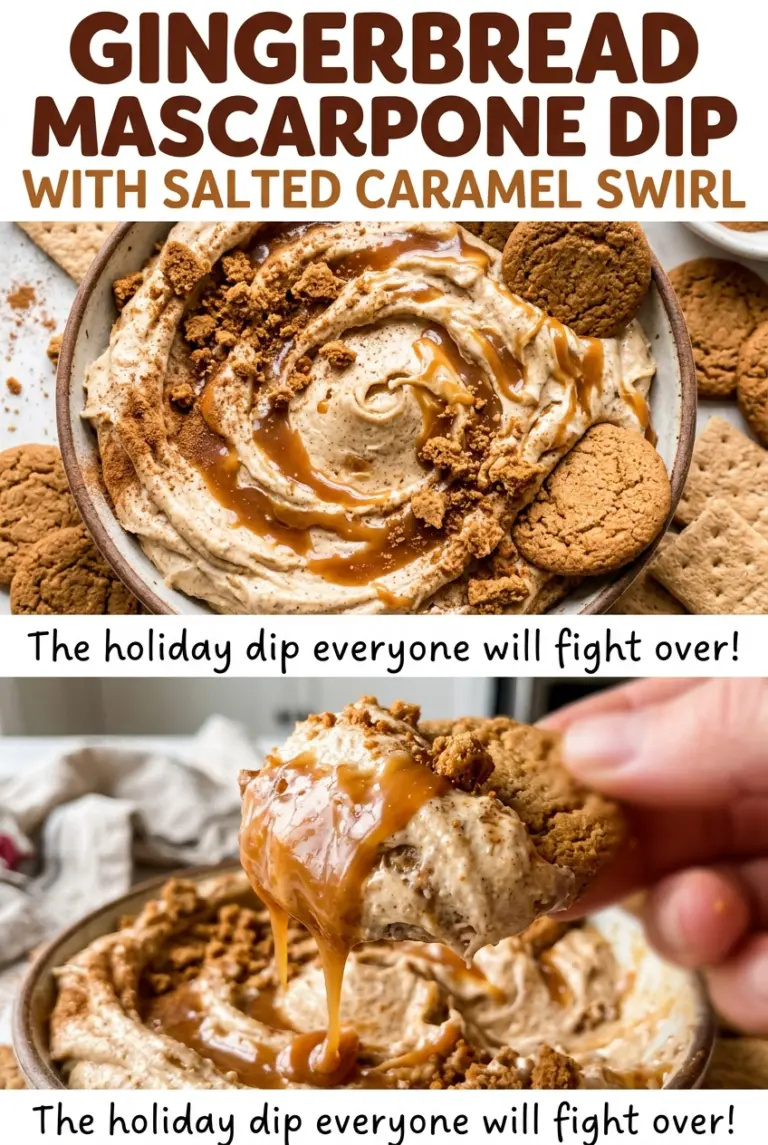
The skillet should give a steady hiss when the steak hits the oil, then a browned crust should start forming before the center is cooked through. For these New Year’s Eve garlic butter steak crostini, I sear the strip steaks one at a time and slice them thin enough to sit neatly on crisp baguette. That gives every piece a good share of steak instead of leaving a few slices piled high on some toasts and bare bread on the rest.
The chimichurri brings a sharp, herby contrast to the butter-basted steak, and the baguette makes each serving easy to pick up. I like the balance of crisp toast, savory beef, and a spoonful of fresh parsley sauce in one bite. It feels special enough for a New Year’s Eve spread, but the ingredients are familiar and the method stays manageable.
Kitchen Note
Add the butter and garlic during the steak’s final minute in the skillet. That short window lets the garlic perfume the butter without giving it time to turn bitter in the hot pan.
Save these New Year’s Eve garlic butter steak crostini for crisp baguette, tender steak, and a bright chimichurri finish in every bite.
Why Chimichurri Needs a Few Minutes Before It Hits the Steak
This sauce isn’t cooked, so its first taste can be a little sharp: the vinegar stands out, the garlic is lively, and the chopped herbs haven’t had much chance to mingle with the oil. Letting the mixture sit for 10 minutes gives those flavors a little time to settle together. The parsley and oregano stay fresh, but the vinegar tastes less separate from the rest of the sauce.
That short rest is easy to fit in while the oven heats and the baguette toasts. Stir the chimichurri again before spooning it over the steak so the oil, vinegar, and herbs are distributed through each serving. Keep it as a spooned-on sauce rather than trying to cook it with the steak; its fresh, tangy edge is what balances the garlic butter.
What the Fresh Herbs, Steak, and Bread Each Bring to the Bite

- Flat-leaf parsley and oregano — These fresh herbs make up the body of the uncooked chimichurri, so fresh leaves matter more here than in a long-cooked sauce. Finely chop them so the sauce sits neatly on the crostini. If you’re out of oregano, finely chopped fresh marjoram works in the same volume, with a softer, sweeter herbal note.
- Garlic — Fresh garlic brings a sharper, more fragrant taste than jarred minced garlic, especially in the uncooked sauce. Finely chop it so it spreads evenly through the chimichurri and the butter used to baste the steaks.
- Red wine vinegar and olive oil — The vinegar gives the herbs their bright edge, while olive oil carries their flavor and gives the sauce enough body to spoon over the beef. Since neither is cooked, choose an olive oil whose taste you like; a mild, affordable one is fine. Sherry vinegar can replace the red wine vinegar in the same volume, though it gives the sauce a slightly different tang.
- Boneless strip steaks and neutral oil — Strip steak gives you a beefy bite that slices cleanly for the toasts. A boneless ribeye of similar thickness also sears well, but its extra marbling makes the finished bites richer. Canola or grapeseed oil works in place of another neutral oil for the sear without adding a strong flavor.
- Baguette and unsalted butter — A baguette’s narrow shape makes easy-to-hold slices, and its crust toasts into a sturdy base. Unsalted butter lets the measured salt on the steak stay in balance while adding flavor to the final baste. Use a fresh baguette that slices cleanly, and cut the rounds evenly so they toast at about the same pace.
Building the Crostini Without Losing the Crisp Toast or Steak Crust
Let the Chimichurri Rest While the Oven Heats
Stir together the parsley, oregano, two cloves of finely chopped garlic, red wine vinegar, olive oil, red pepper flakes, and half a teaspoon of kosher salt in a small bowl. Set it aside for 10 minutes while you work on the bread. The sauce should look loose enough to spoon, with the herbs coated in oil rather than sitting in a dry pile. Give it another stir before serving so the vinegar and oil are mixed through.
Toast the Baguette Until the Edges Turn Golden
Heat the oven to 400°F and arrange the baguette slices in a single layer on a large rimmed baking sheet. Bake them for 8 to 10 minutes, turning once halfway through, until they’re crisp and lightly golden. Keep the slices in one layer so they toast rather than steam against each other. Watch for even color; the thinner edges can brown before the centers feel crisp.
Sear and Baste the Steaks One at a Time
Pat the steaks dry, then season both sides with the remaining kosher salt and black pepper. Heat a 12-inch skillet over medium-high heat and add half a tablespoon of the neutral oil; sear one steak for 3 to 5 minutes per side. During its final minute, add the butter and one chopped garlic clove, then baste the steak until an instant-read thermometer in the thickest part reads 145°F. Transfer it to a plate and let it rest for 3 minutes, then wipe out the skillet and repeat with the remaining oil, steak, butter, and garlic.
Slice Across the Grain and Finish Each Toast
Look for the lines running through the steak, then slice across them as thinly as you can. Divide the slices among the toasted baguette pieces, keeping the steak on the toast instead of letting it spill over the sides. Spoon chimichurri on top of each portion and serve while the bread is still crisp.
Three Easy Ways to Adapt the Crostini for Your Table
Make the Baguette Gluten-Free
Use a gluten-free baguette in place of the regular baguette and cut it into the same number of slices. Toast the pieces until crisp and lightly golden; the texture may be a little more delicate, so lift them gently when turning and assembling.
Keep the Chimichurri Mild
Leave out the red pepper flakes for a sauce with the same fresh herb and vinegar character but no added heat. The garlic will still give it plenty of punch alongside the steak.
Make the Garlic Butter Dairy-Free
Use an equal amount of dairy-free butter in place of the unsalted butter for basting. The steak will still pick up garlic and a buttery coating, though the result may taste less rich than it does with dairy butter.
Storage and Reheating
- Refrigerator: Store the cooked steak and chimichurri separately in airtight containers for 3 to 4 days. Keep toasted baguette slices separate; assembled crostini lose their crunch.
- Freezer: Freeze cooked steak in an airtight container for up to 2 to 3 months. Chimichurri can be frozen separately, though the herbs will lose some of their fresh texture when thawed. Toasted bread is best made fresh.
- Reheating: Reheat steak on its own in a skillet over low heat or in short microwave intervals until it reaches 165°F, then assemble on crisp toast. Don’t reheat the finished crostini; the bread softens and the chimichurri loses its fresh character.
Questions That Come Up When Making Steak Crostini
New Year's Eve Garlic Butter Steak Crostini with Chimichurri
Ingredients
Equipment
Method
- Stir the parsley, oregano, 2 cloves garlic, vinegar, olive oil, red pepper flakes, and 1/2 teaspoon salt together in a small bowl. Set aside for 10 minutes.
- Preheat the oven to 400°F and arrange the baguette slices in a single layer on a large rimmed baking sheet.
- Bake for 8–10 minutes, turning once halfway through, until crisp and lightly golden.
- Pat the steaks dry and season both sides with the remaining 3/4 teaspoon salt and the black pepper.
- Heat a 12-inch skillet over medium-high heat and add 1/2 tablespoon oil.
- Sear one steak for 3–5 minutes per side. During the final minute, add 1 1/2 tablespoons butter and 1 reserved garlic clove, and baste until an instant-read thermometer in the thickest part reads 145°F.
- Transfer the steak to a plate and rest it for 3 minutes.
- Wipe out the skillet and repeat the sear and basting with the remaining oil, steak, butter, and garlic, cooking the second steak to 145°F and resting it for 3 minutes.
- Slice the steaks thinly against the grain and divide among the toasted baguette slices.
- Spoon the chimichurri over the steak and serve.