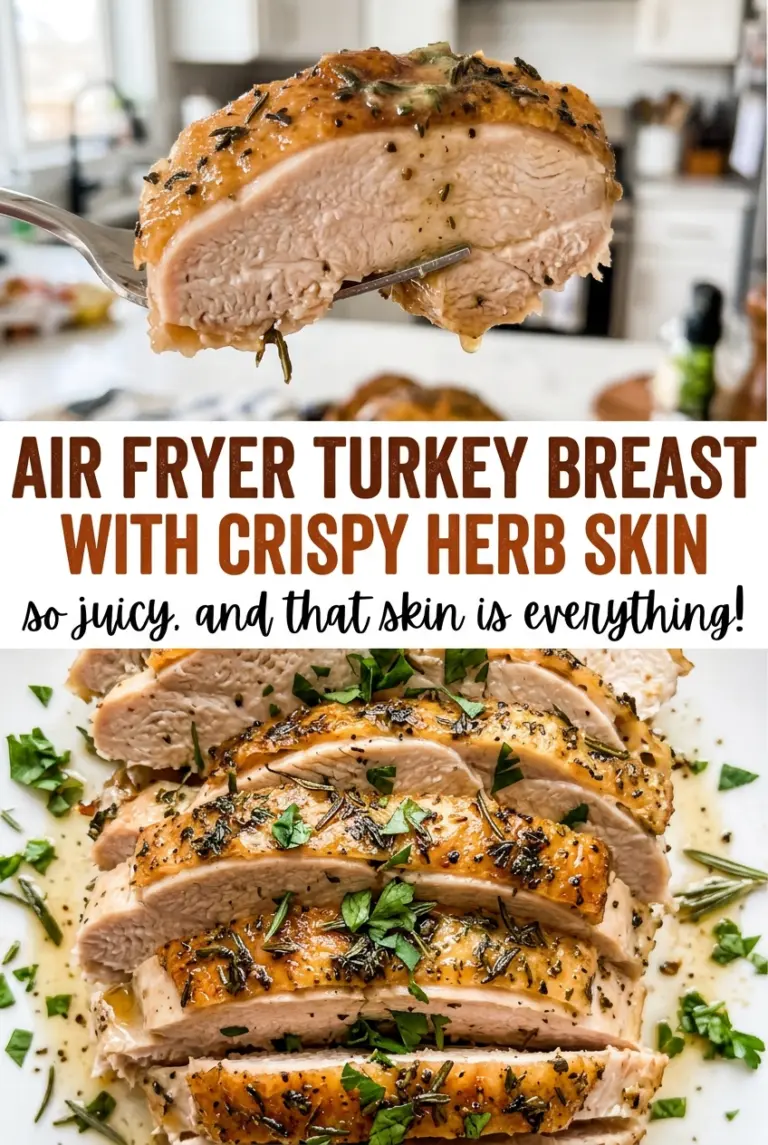
The potatoes can still be firm when a lean turkey tenderloin is ready to come out of the oven. Putting everything on the pan at once sounds convenient, but it can leave you choosing between dry turkey and underdone vegetables. This sheet pan Thanksgiving dinner for two solves that timing mismatch by giving the potatoes, carrots, and onion a head start.
I like that the turkey and vegetables share one pan without asking them to cook on the same schedule. Dried sage, thyme, and garlic powder season both, while the turkey goes into the center after the vegetables have started roasting. Pat the tenderloin dry before adding its oil and seasonings; the rub clings better, and you can check doneness right at the thickest part. Slice it after a short rest and serve it beside the tender, savory vegetables.
Kitchen Note
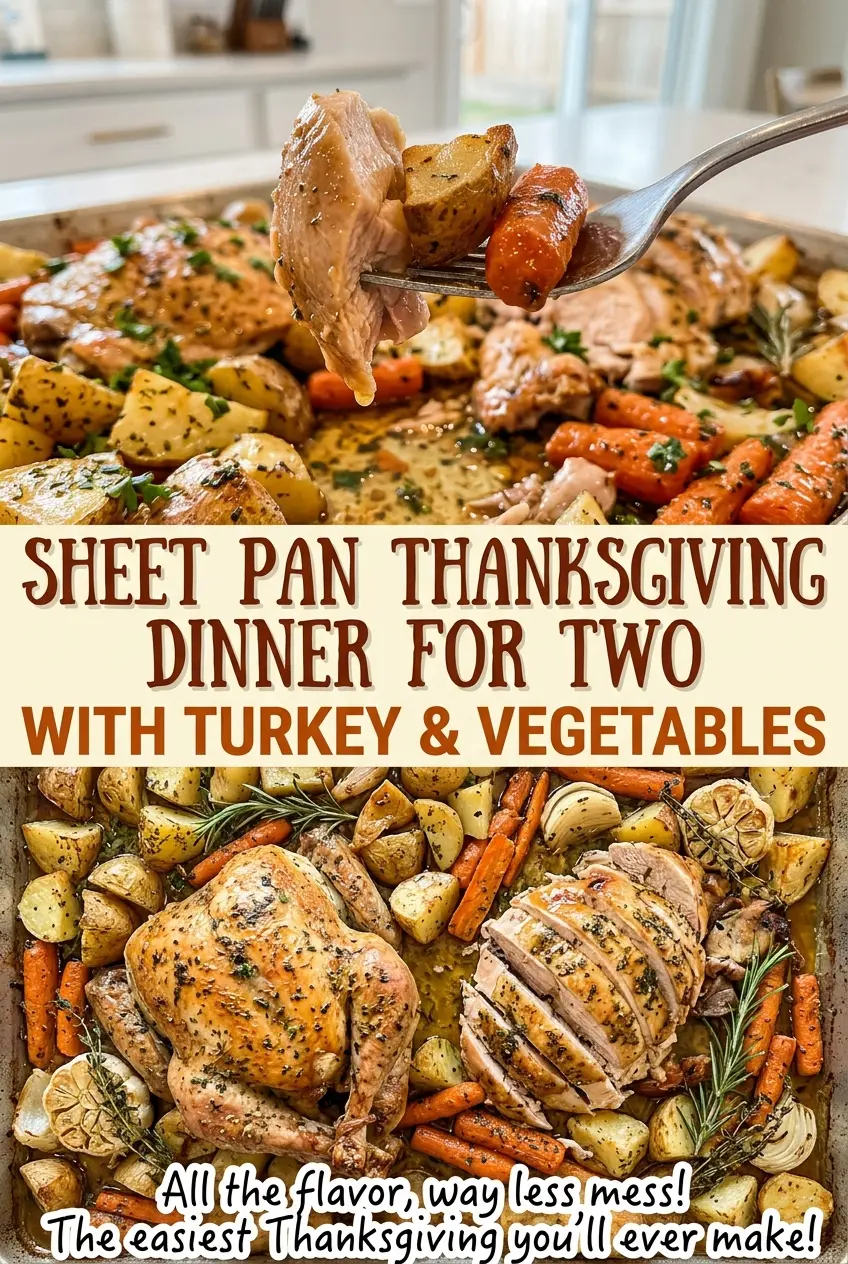
Pat the turkey tenderloin dry before rubbing it with oil and seasoning. A damp surface makes the rub slippery, so take a moment to blot it well with paper towels first.
Save this sheet pan Thanksgiving dinner for two for a smaller holiday table: tender turkey, sage-seasoned vegetables, and one pan to clean.
Why the Vegetables Need a Head Start on the Turkey
Potatoes and carrots take longer to become tender than a turkey tenderloin needs to cook. Giving the vegetables the first stretch in the oven lets them start softening before the lean meat joins them. That timing is what makes a one-pan dinner feel coordinated rather than like a compromise.
The initial roast also gives you a chance to create space for the turkey without piling everything on top of itself. Once the vegetables have had their first roast, move them toward the edges and put the tenderloin in the center. Keeping the vegetables in an even layer helps them roast rather than sit in a crowded heap. Use the full rimmed pan so there’s room for the vegetables around the meat, and keep the turkey’s thickest part in mind when checking doneness. The goal is a tender vegetable forkful and properly cooked turkey at the same time, not a race to get everything out early.
What Baby Potatoes, Turkey Tenderloin, and Sage Each Bring to the Pan
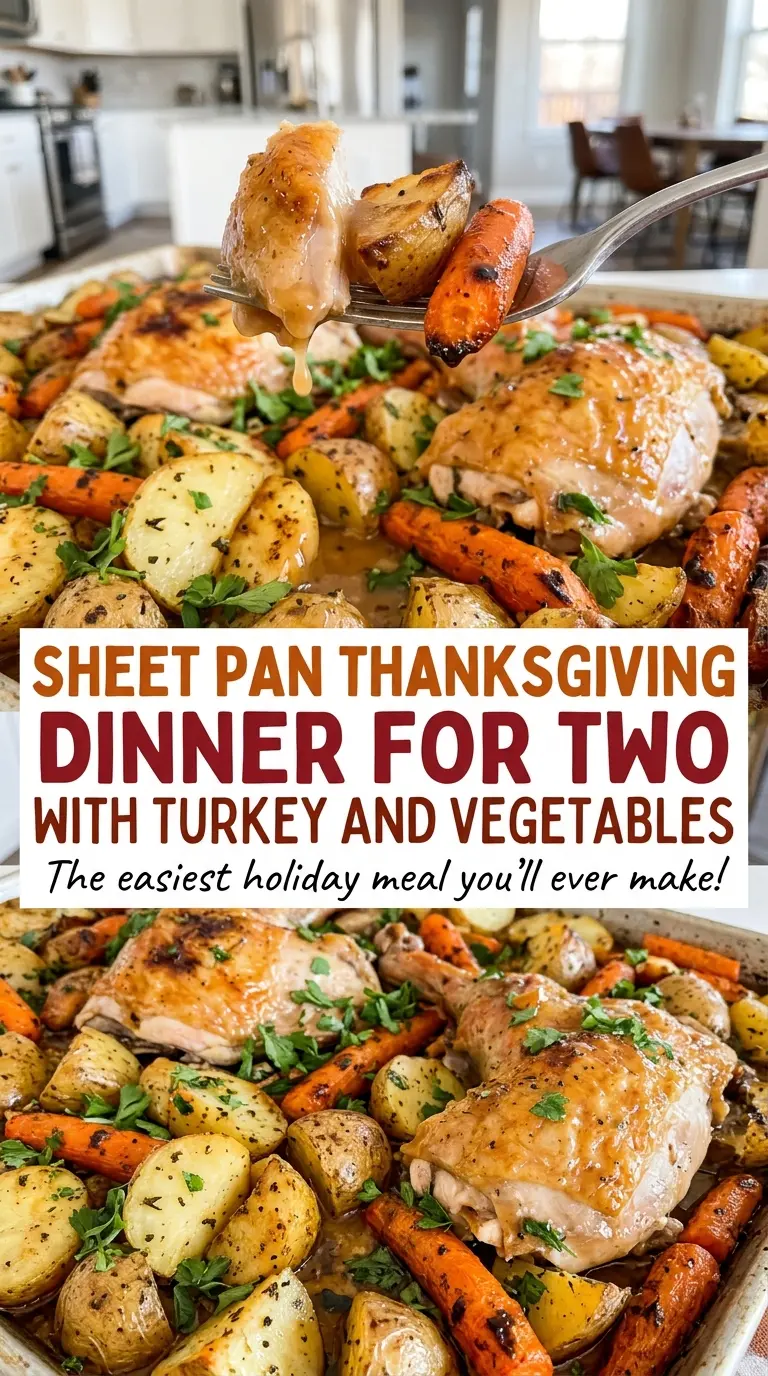
- Baby potatoes — Halving them gives the pieces a flat surface against the pan and keeps the cut size manageable. Pick firm potatoes; a budget bag works well here. Larger pieces won’t match the same cooking rhythm unless they’re cut down to a similar size.
- Carrots and yellow onion — The carrots bring a sturdy, sweet bite, while onion wedges soften and add a mellow savory note. Peel the carrots and cut them into even 1-inch pieces so the thickest pieces don’t lag behind. A regular grocery-store yellow onion is all you need; leaving it out makes the pan less sweet and less rounded.
- Turkey breast tenderloin — Tenderloin is lean and cooks on a different schedule from the vegetables, which is why this cut fits the staged roast. The exact shape and thickness vary from package to package, so use a thermometer at the thickest part instead of judging by color alone. A whole turkey breast isn’t a direct swap for this timing.
- Olive oil — The oil helps the dried seasonings cling to the vegetables and turkey and gives the vegetables a better chance to roast. A basic grocery-store olive oil is fine; there’s no need for a specialty bottle. Divide it between the vegetables and turkey so each gets coated before going onto the pan.
- Dried rubbed sage, thyme, and garlic powder — These pantry seasonings give the meal its familiar savory character without a separate sauce. Freshness matters more than brand: if the dried herbs smell faint when you rub a pinch between your fingers, they won’t contribute much. Keep the dried forms here; fresh herbs have different strength and would need a different amount.
Roasting the Vegetables First, Then Finishing the Turkey
Heat the oven and prepare the pan
Heat the oven to 425°F and line an 18×13-inch rimmed sheet pan with foil. The rim keeps the oil and cooking juices contained, and the foil makes cleanup easier. Set up the pan before seasoning anything so the vegetables can go straight into the hot oven. Keep the pan’s full surface available for a single, even layer.
Season and start the vegetables
Toss the halved potatoes, carrot pieces, and onion wedges with 1 tablespoon of olive oil. Add half the kosher salt, black pepper, dried rubbed sage, dried thyme, and garlic powder, then spread the vegetables across the pan. Roast them for 15 minutes. They won’t be fully tender yet, so don’t wait for that before moving on.
Season the tenderloin and make room
While the vegetables roast, rub the patted-dry turkey tenderloin with the remaining tablespoon of olive oil and the remaining seasonings. When the first roast is finished, move the vegetables toward the pan’s edges. Set the turkey in the open center space, keeping the vegetables in an even layer around it. Avoid stacking them against the turkey; they need room on the pan.
Roast until tender, then rest before slicing
Return the pan to the oven and roast for 25 to 30 minutes, until the thickest part of the turkey reaches 165°F and the vegetables are tender. Check the turkey with an instant-read thermometer inserted into its thickest section, and pierce a potato or carrot to check the vegetables. Transfer the turkey to a cutting board and let it rest for 5 minutes before slicing. Serve the slices with the vegetables.
Small Changes That Keep This Dinner in the Same One-Pan Spirit
A lower-sodium pan with herbs doing more work
For a lower-sodium version, leave out the kosher salt and keep the listed sage, thyme, and garlic powder. Those herbs bring savory aroma, but the finished turkey and vegetables will taste less salty and a little less rounded. This is the simplest adjustment if you’re watching sodium without adding a new ingredient.
A no-onion version with a cleaner vegetable flavor
Skip the yellow onion if you don’t care for it or need to leave it out. Keep the potatoes and carrots in an even layer and use the same roasting sequence. You’ll lose the onion’s mellow sweetness, but the sage-seasoned vegetables will still pair well with the turkey.
A more pronounced sage note
Keep the total listed dried sage the same, but put a little more of it with the vegetables and a little less on the turkey. The potatoes and carrots will take on a stronger sage aroma, while the meat’s seasoning will be more restrained. Keep the other seasonings divided as usual.
Storage and Reheating
- Refrigerator: Store the turkey and vegetables in a covered container for 3 to 4 days. The potatoes and carrots soften as they sit, and the turkey may be less juicy after reheating.
- Freezer: Freeze cooled portions in airtight containers for up to 2 to 3 months for best quality. The turkey freezes well; the potatoes may turn a little softer or grainier after thawing.
- Reheating: Warm portions covered in the microwave or in a covered oven-safe dish until hot throughout. Keep the turkey slices with the vegetables so they retain moisture; uncovered, prolonged reheating can dry out the lean meat.
Questions That Come Up While the Turkey and Vegetables Roast
Sheet Pan Thanksgiving Dinner for Two with Turkey and Vegetables
Ingredients
Equipment
Method
- Heat the oven to 425°F.
- Line an 18x13-inch rimmed sheet pan with foil.
- Toss the potatoes, carrots, and onion with 1 tablespoon olive oil and half of the salt, pepper, sage, thyme, and garlic powder.
- Spread the vegetables in an even layer on the pan.
- Roast the vegetables for 15 minutes.
- Rub the turkey tenderloin with the remaining 1 tablespoon olive oil and remaining seasonings.
- Move the vegetables toward the edges of the pan and place the turkey in the center.
- Roast for 25 to 30 minutes, until the thickest part of the turkey reaches 165°F and the vegetables are tender.
- Transfer the turkey to a cutting board and let it rest for 5 minutes.
- Slice the turkey and serve it with the vegetables.