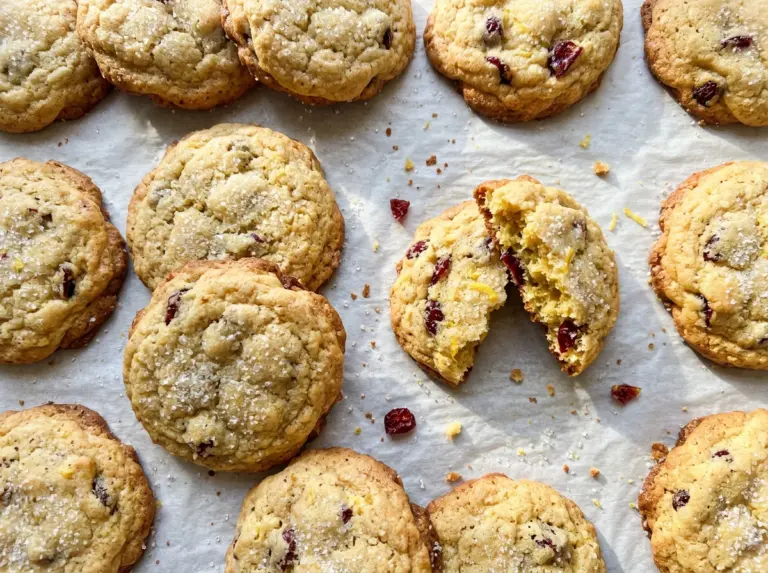
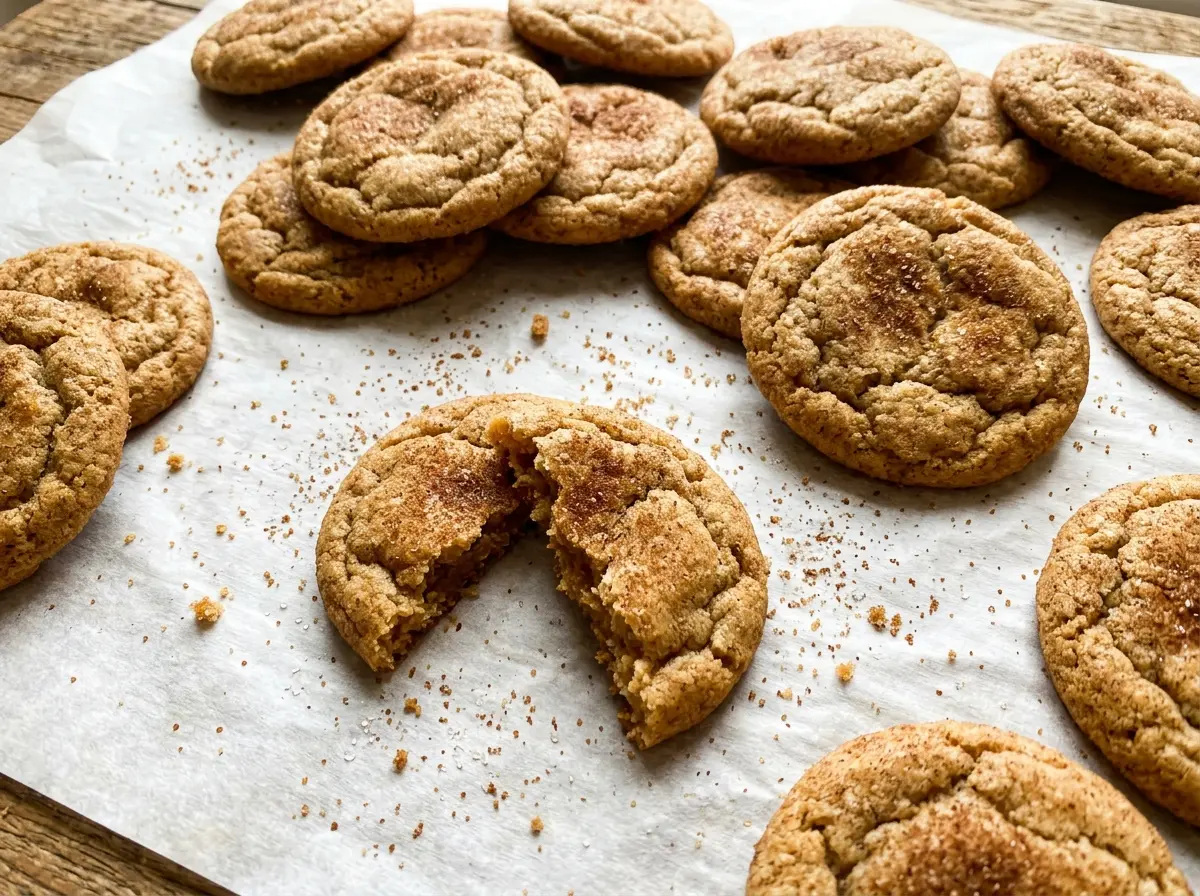
The edges turn lightly golden before the centers look fully baked, and that’s exactly when these cinnamon brown sugar cookies should come out of the oven. I watch the first tray closely because waiting for the middles to look firm can take them from soft and chewy to dry. The cinnamon smells warm as the cookies bake, while the brown sugar gives them a deeper sweetness than a plain white-sugar cookie.
Here, brown sugar and an extra egg yolk make a tender dough that’s easy to scoop after a short chill. I keep the mixing gentle once the flour goes in; beating only until the dry streaks disappear keeps the cookies from turning tough. Each one settles into a soft-centered cookie with a lightly browned edge and a clear cinnamon note.
Kitchen Note
Let the egg and yolk come to room temperature before mixing them into the butter. They blend in more smoothly that way, so the creamed mixture stays cohesive instead of developing little firm flecks.
Save these cinnamon brown sugar cookies for a soft-centered bake with warm cinnamon and lightly browned edges.
Why Brown Sugar and an Extra Yolk Keep These Cookies Chewy
Brown sugar does more here than sweeten the dough. Its molasses content holds onto moisture, giving the baked cookies a softer bite and a deeper flavor than granulated sugar alone would. That same moisture also means the dough benefits from a short chill before it goes onto the baking sheets; it’s easier to portion and less prone to spreading too quickly in the oven.
The extra yolk gives the dough richness without adding another egg white. Yolks bring fat and help the mixture come together, while extra white can make a cookie firmer. The balance matters: you get enough structure from the whole egg and flour, but the brown sugar and yolk keep the crumb tender. Once the flour is added, mixing only until no dry flour remains preserves that tender texture. It’s a small change from a basic sugar-cookie formula, but it’s what makes these cookies feel soft rather than crisp.
What Brown Sugar, Butter, and Cinnamon Each Bring to the Dough

- Light brown sugar — Its molasses gives the cookies a moist, mellow sweetness. Packed sugar measures consistently; dark brown sugar is a workable swap if you want a stronger molasses taste and a slightly darker cookie.
- Unsalted butter — Softened butter creams smoothly with the sugar and gives the dough its rich texture. A standard grocery-store butter works well; it doesn’t need to be a specialty brand. Keep it softened, not melted, so it can hold air while it’s beaten.
- Egg and egg yolk — The whole egg helps bind the dough, while the extra yolk adds richness. Room-temperature eggs mix in evenly, so take them out of the refrigerator before you begin.
- Ground cinnamon — Cinnamon is the defining spice, so use one that still smells fragrant when you open the jar. If its aroma has faded, the cookies will taste less warmly spiced even when the dough is mixed evenly.
- All-purpose flour — Flour gives the cookies their structure. Measure without packing it into the cup; too much flour can leave the baked centers dry and crumbly.
- Baking soda and kosher salt — Baking soda helps the cookies spread and brown, while salt keeps the brown sugar from tasting one-note. Keep both ingredients fresh and measure the salt as listed so the balance stays right.
- Vanilla extract — Vanilla rounds out the brown sugar and cinnamon. A regular pure or imitation vanilla extract both work; the cinnamon remains the main flavor either way.
From Creamed Butter to Soft Centers: The Stages That Matter
Cream the Butter and Brown Sugar Until Fluffy
Beat the softened butter and packed light brown sugar in a large bowl with an electric mixer on medium speed for about 2 minutes. The mixture should look lighter and fluffy, with the sugar no longer sitting in a dense layer at the bottom. If the butter is cold, it won’t cream evenly; if it’s melted, it won’t hold the same airy texture. Use the time as a guide, but look for that visibly lighter mixture.
Blend in the Eggs, Then Add the Dry Ingredients Gently
Beat in the room-temperature egg, yolk, and vanilla until combined, scraping down the bowl as needed so no butter-sugar mixture stays on the sides. In a separate medium bowl, whisk together the flour, cinnamon, baking soda, and kosher salt. Add the dry mixture to the butter mixture and beat on low only until no dry flour remains. Stop there; continuing to beat after the flour disappears can make the cookies tougher.
Chill, Heat the Oven, and Portion the Dough
Cover the dough and refrigerate it for 30 minutes. Near the end of that chill, heat the oven to 350°F, then line two baking sheets with parchment paper. Scoop the dough into 24 portions, about 1 1/2 tablespoons each, and set them 2 inches apart. The spacing gives the cookies room to spread without running into one another.
Bake One Sheet at a Time and Let the Cookies Set
Bake one sheet at a time for 10 to 12 minutes. The edges should be set and lightly browned while the centers still look slightly soft; a fully firm center in the oven usually means the finished cookie will be drier. Let the cookies rest on the baking sheet for 5 minutes, then move them to a wire rack to cool completely. They’re delicate while hot, so give them that brief rest before lifting them.
Three Practical Ways to Adapt the Dough
Use Dark Brown Sugar for a Deeper Cookie
Swap dark brown sugar for the light brown sugar in an equal measure. The extra molasses gives the cookies a deeper, less delicate sweetness and a darker color, while keeping the same soft-cookie character.
Make a Gluten-Free Batch
Replace the all-purpose flour with a cup-for-cup gluten-free baking flour blend that contains xanthan gum, using the package’s flour substitution guidance. The cookies may have a slightly different crumb, but the blend provides the structure this dough needs without adding a separate binder.
Scale the Batch Down
For fewer cookies, halve every ingredient and keep the mixing method the same. Portion the dough evenly, leave space between cookies, and bake one sheet at a time, watching for set edges and slightly soft centers rather than relying only on the clock.
Storage and Reheating
- Refrigerator: Keep cooled cookies in an airtight container for up to 5 days; chilling firms their soft texture, so let them come to room temperature before serving.
- Freezer: Freeze fully cooled cookies in an airtight freezer-safe container for up to 2 months. Thaw at room temperature while still covered to keep them from drying out.
- Reheating: These cookies are best at room temperature, so they don’t need reheating. Microwaving can soften them unevenly and leave them tough as they cool.
Questions That Come Up While Baking These Cookies
Cinnamon Brown Sugar Cookies
Ingredients
Equipment
Method
- Beat the softened butter and packed light brown sugar in a large bowl with an electric mixer on medium speed until light and fluffy, about 2 minutes.
- Beat in the egg, egg yolk, and vanilla extract until combined, scraping down the bowl as needed.
- Whisk the all-purpose flour, ground cinnamon, baking soda, and kosher salt in a medium bowl.
- Add the flour mixture to the butter mixture and beat on low just until no dry flour remains.
- Cover the dough and refrigerate for 30 minutes.
- Heat the oven to 350°F near the end of chilling.
- Line two baking sheets with parchment paper.
- Scoop the dough into 24 portions, about 1 1/2 tablespoons each, spacing 2 inches apart.
- Bake one sheet at a time for 10 to 12 minutes, until the edges are set and lightly browned and the centers still look slightly soft.
- Let the cookies rest on the baking sheet for 5 minutes.
- Transfer the cookies to a wire rack to cool completely.