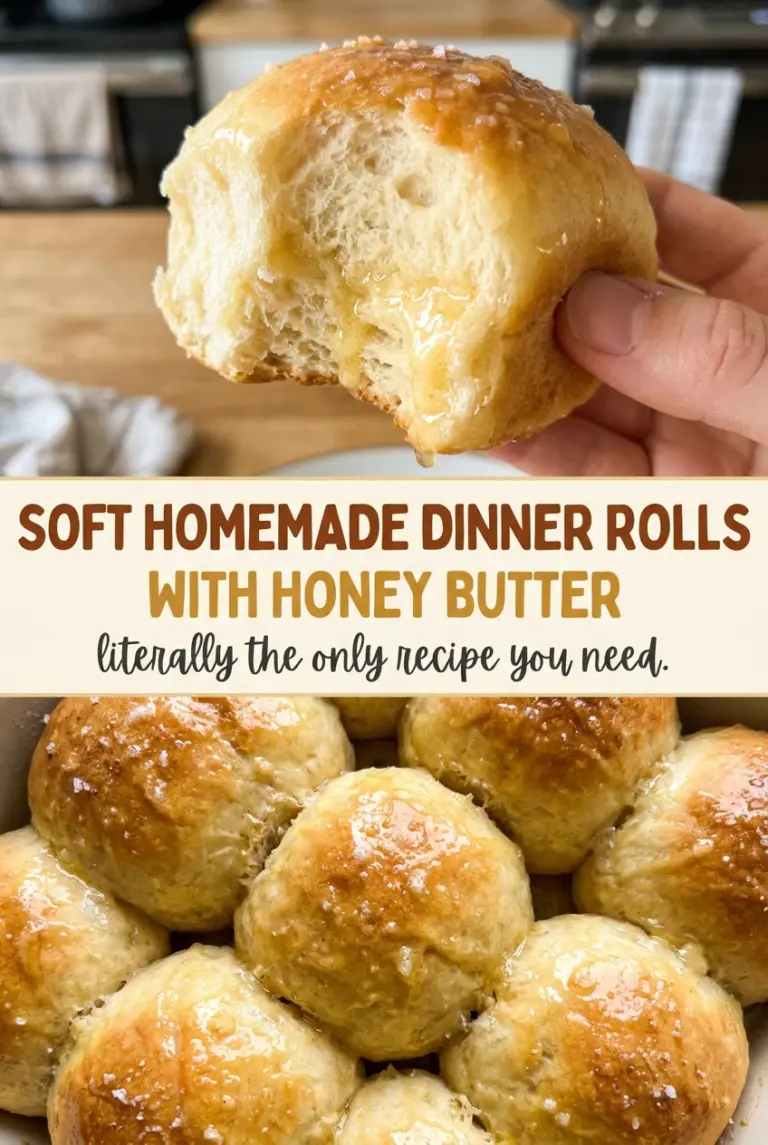
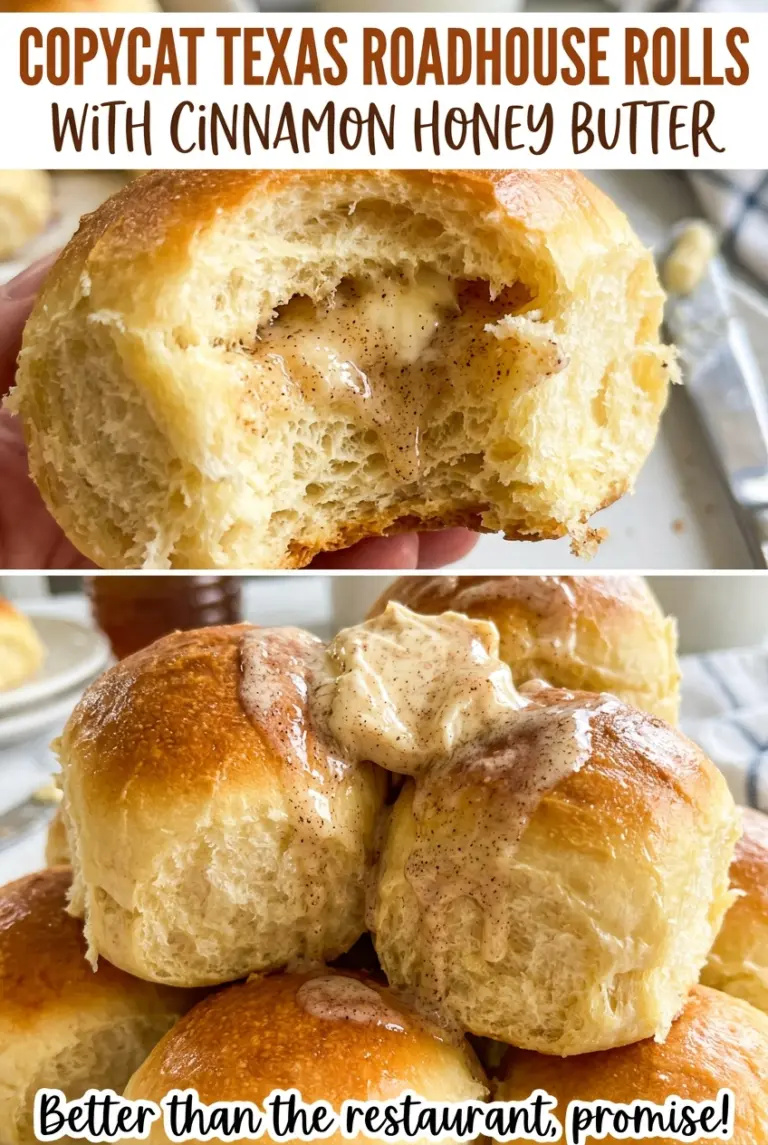
The squash starts to smell sweet and nutty before it has even browned, and that’s when I know the maple is doing its job. The first time I made these, I spread the cubes too close together; they softened, but the edges stayed pale. Giving them room on the pan made all the difference in this maple roasted butternut squash with pecans.
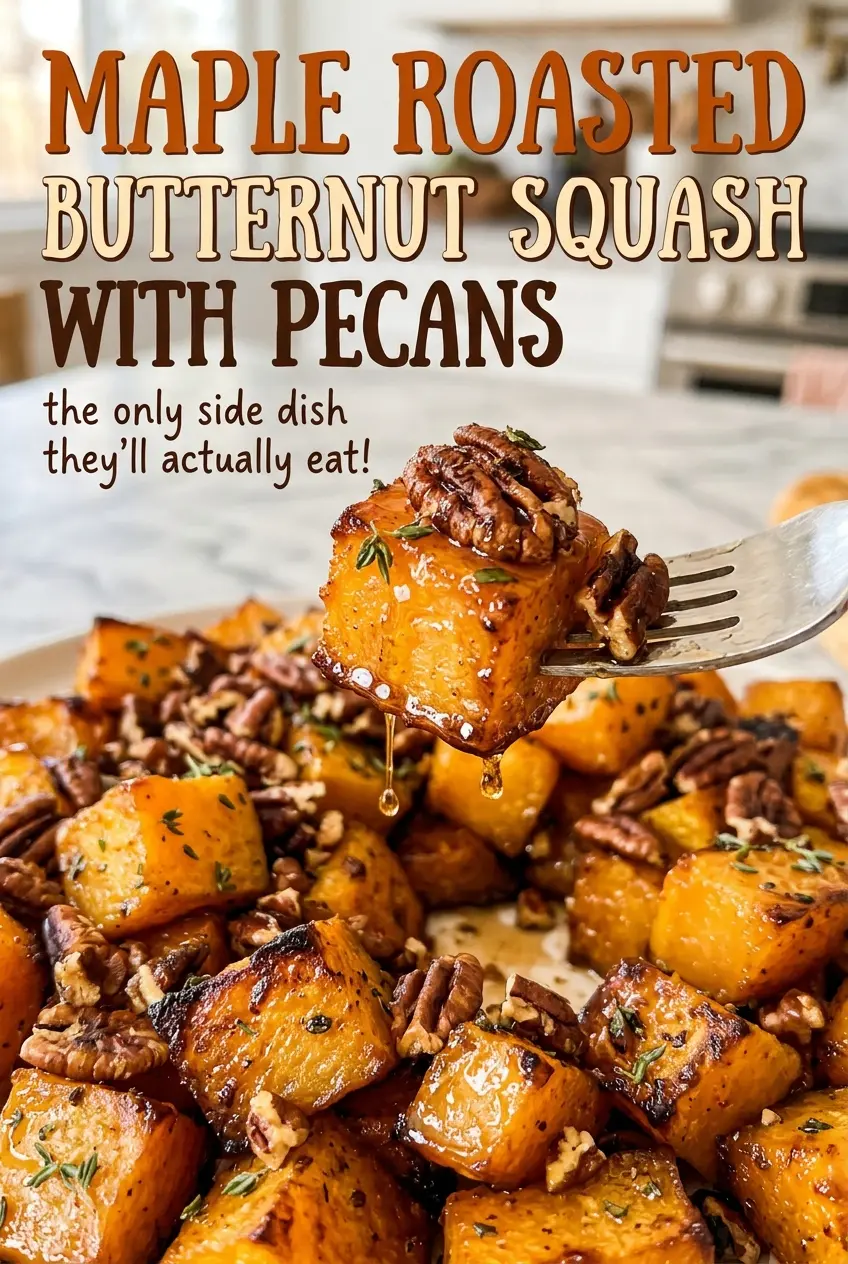
I keep the cubes close to the same size so they finish together, and I add the pecans only after the squash has had a head start in the oven. That way, the squash gets time to turn fork-tender while the pecans toast near the end. The finished pieces have browned edges, a light maple coating, and just enough pecan crunch to make each bite feel complete.
Kitchen Note
I watch the pecans rather than waiting for them to darken; the moment they smell fragrant, they’re ready. They keep toasting a little from the heat of the pan after it comes out of the oven.
Save this maple roasted butternut squash with pecans for a simple side with tender squash, browned edges, and toasted crunch.
Why the Squash Needs Room to Brown, Not Just Roast
Butternut squash releases moisture as it cooks. When the pieces are crowded, that moisture has less room to escape, and the squash can turn soft before the edges have a chance to brown. A single layer on the rimmed baking sheet gives the pieces contact with the hot pan and space around them.
The 18×13-inch pan is roomy enough for the cut squash to spread out without piling up. If you find pieces sitting on top of one another, separate them before the tray goes into the oven. Uniform cubes matter here, too: smaller pieces soften sooner, while larger ones need longer to become fork-tender. Keeping them close to 3/4 inch helps the batch finish at roughly the same time, so you’re not left with a mix of browned edges and firm centers.
Parchment keeps the maple-coated squash from sticking to the pan and makes serving easier. It doesn’t replace the space between the pieces, though. Even with a lined pan, the squash needs to sit in one layer for those browned edges to develop.
What the Squash, Maple, and Pecans Each Bring
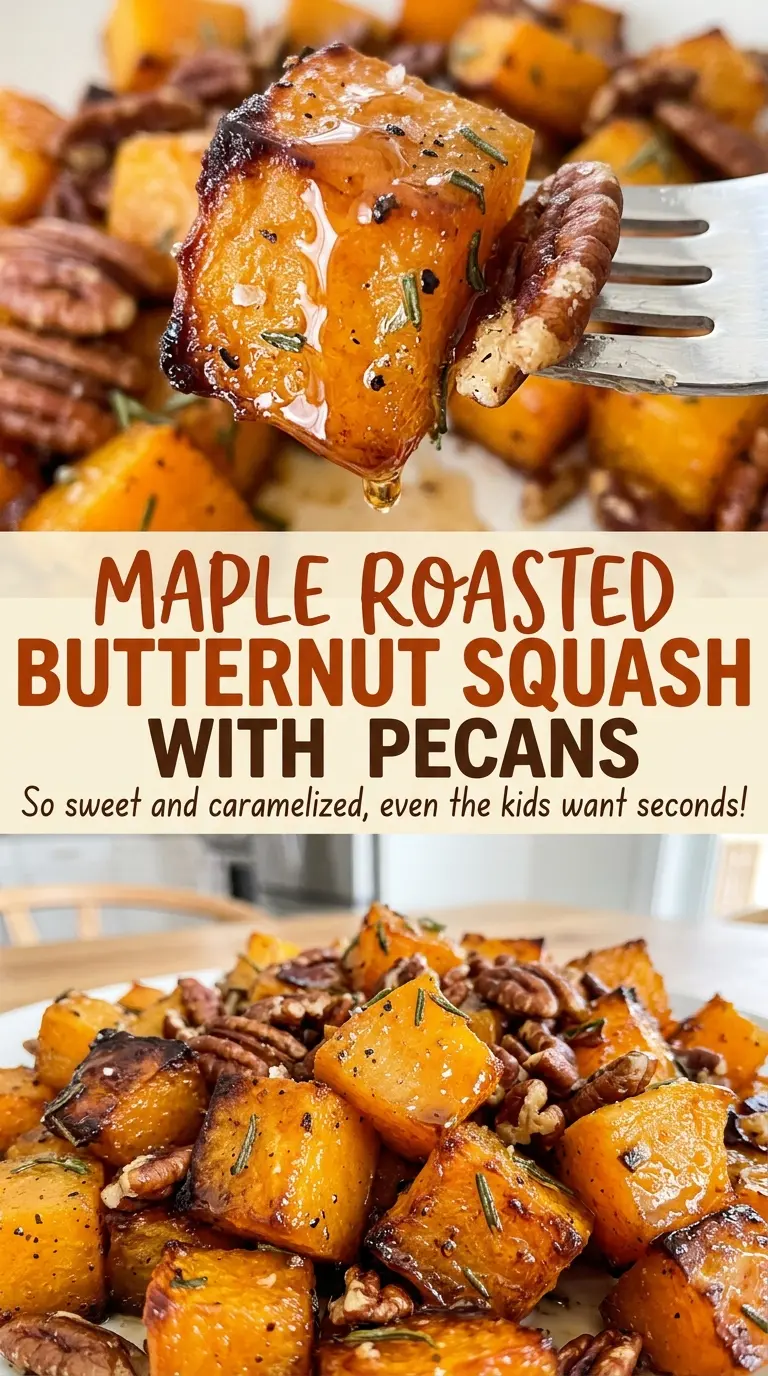
- Butternut squash — Choose a firm squash without soft spots. Peeling, seeding, and cutting it into even cubes gives you tender centers and consistent roasting; a different squash won’t have quite the same balance of sweet flesh and sturdy texture.
- Olive oil — It helps coat the cubes so the maple, salt, and pepper cling instead of pooling on the pan. Use an olive oil you like the taste of, but there’s no need to reach for a special bottle for roasting.
- Pure maple syrup — Its woodsy sweetness complements the squash without turning the dish into a dessert. Use pure maple syrup rather than pancake syrup, which can contain other sweeteners and won’t give the same straightforward maple flavor.
- Pecans — Chopped pieces scatter across the squash and toast quickly, adding a crisp contrast to the soft cubes. Fresh pecans taste cleaner than nuts that have been sitting open in the pantry; store extras sealed so they don’t pick up stale or rancid flavors.
Roasting the Squash Before the Pecans Go In
Heat the oven and line the pan
Heat the oven to 425°F and line a rimmed 18×13-inch baking sheet with parchment paper. Use a rimmed pan so the squash stays contained as you stir it. Have the pan ready before tossing the squash, since the maple-coated cubes are easiest to spread while the coating is still evenly distributed.
Coat the cubes without leaving a puddle
Toss the squash with the olive oil, maple syrup, kosher salt, and black pepper until the pieces are coated. Tip the cubes onto the prepared pan and spread them into one layer. If syrup gathers in one spot, redistribute the squash so the coating is shared across the pieces rather than left beneath a cluster.
Give the squash its first 20 minutes
Roast the squash for 20 minutes before stirring. At this point, the cubes will have started to soften, but don’t expect every side to be browned yet. Stir them around the pan so different surfaces have a chance to meet the hot sheet.
Add pecans for the final stretch
Scatter the chopped pecans over the stirred squash, then return the pan to the oven for 8 to 12 minutes. The squash is ready when a fork slides into a cube easily and the edges are browned; the pecans should smell fragrant. Check toward the shorter end of the range if your cubes are small, since size can affect how quickly they finish.
Three Small Changes for a Different Batch
Swap in walnuts
Use chopped walnuts in place of the pecans and add them at the same point in the roast. They bring a slightly earthier, less buttery crunch, while keeping the same simple finish.
Make a nut-free pan
Leave out the pecans and roast the squash for the full 28 to 32 minutes, until it’s fork-tender and browned at the edges. You’ll lose the crunchy finish, but the maple-coated squash still makes a complete side dish.
Turn down the sweetness
Use 1 tablespoon of maple syrup instead of 2 tablespoons for a subtler maple note. The squash will still be coated with olive oil and seasonings, but the finished bites will taste less sweet.
Storage and Reheating
- Refrigerator: Keep leftovers in an airtight container for 3 to 4 days. The squash softens as it sits, and the pecans lose some of their crunch.
- Freezer: Freeze cooled portions in an airtight container for up to 2 months. The squash will be softer after thawing, so expect a less distinct cube shape.
- Reheating: Warm leftovers in the microwave until hot throughout, stirring once for even heating. Avoid reheating longer than needed; the squash can become mushy, and the pecans won’t regain their original crunch.
Questions That Come Up While Roasting This Squash
Maple Roasted Butternut Squash with Pecans
Ingredients
Equipment
Method
- Heat the oven to 425°F.
- Line a rimmed 18x13-inch baking sheet with parchment paper.
- Toss the squash with the olive oil, pure maple syrup, kosher salt, and black pepper.
- Spread the squash in a single layer on the baking sheet.
- Roast for 20 minutes.
- Stir the squash and scatter the pecans over it.
- Roast for 8 to 12 minutes more, until the squash is fork-tender and browned at the edges and the pecans are fragrant.