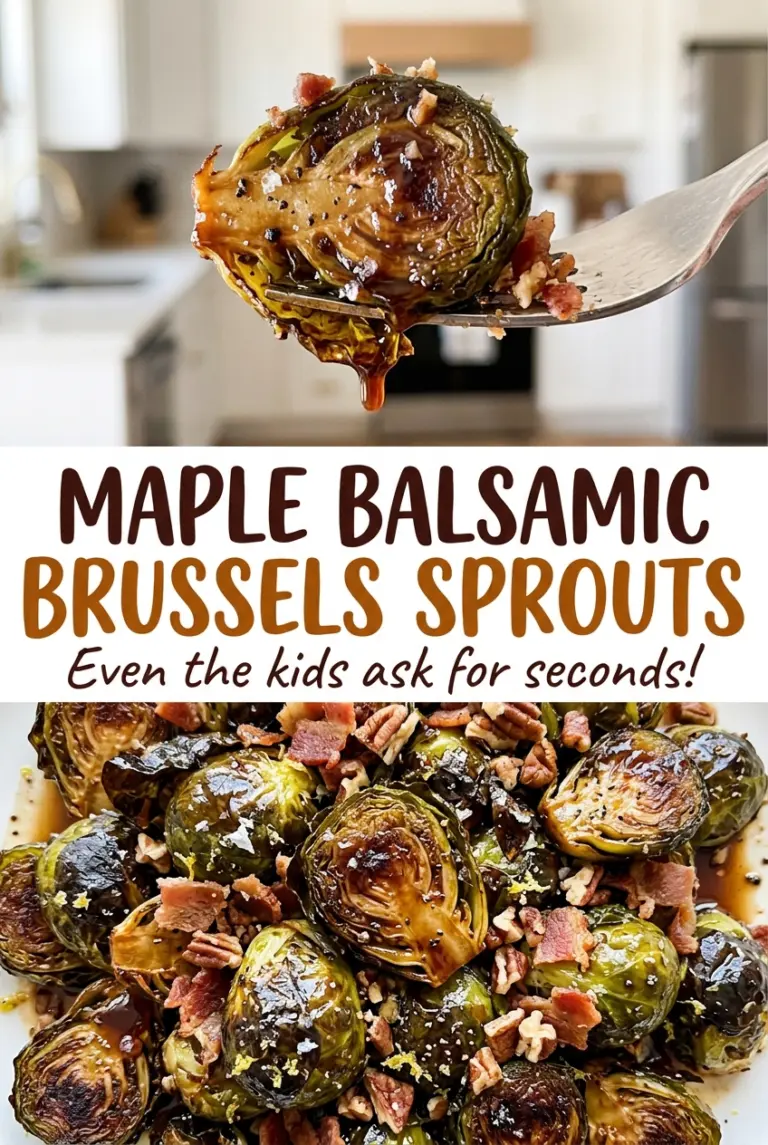
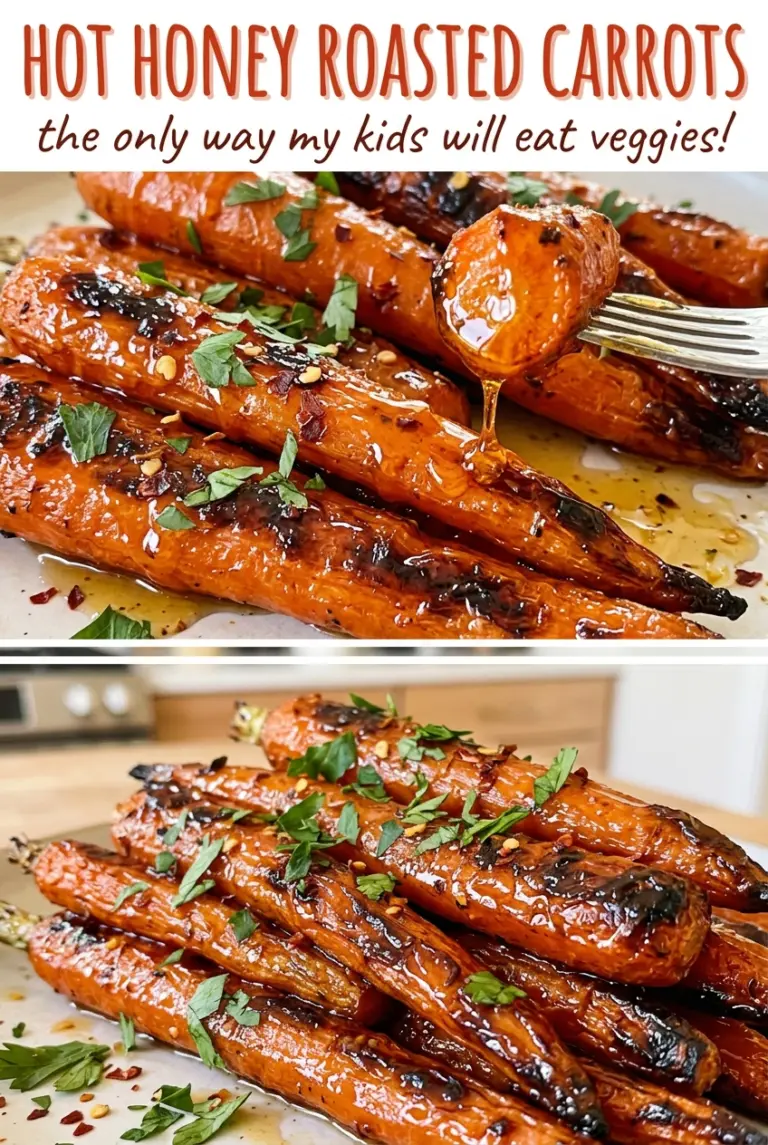
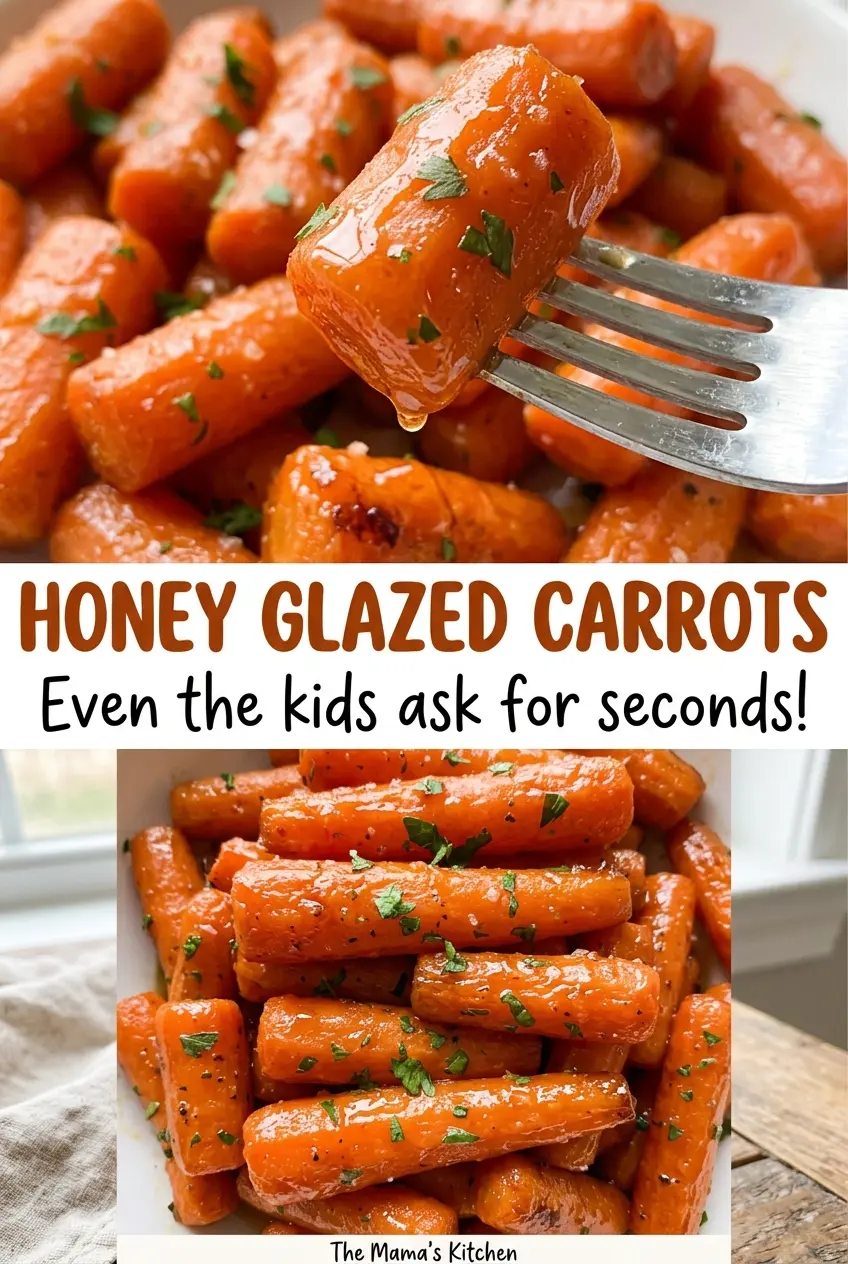
When the lid comes off, the carrots are tender but there’s still liquid in the skillet; that’s exactly the point. These honey glazed carrots finish in two stages, so the rounds cook through before the honey goes in. I like this method because it keeps the carrots soft without leaving them swimming in a thin, sweet sauce.
The covered simmer uses a little water, butter, and salt to cook the carrots evenly, then the uncovered minutes let that liquid evaporate. Only after that do I stir in the honey and black pepper. Keep the rounds close to the same thickness and you’ll have tender carrots with a glossy coating, not a mix of firm centers and mushy edges. The finished carrots are buttery, gently sweet, and speckled with pepper.
Kitchen Note
Wait until the liquid has evaporated before adding the honey. If it goes in while the carrots are still simmering, it disperses into the liquid instead of coating the rounds.
Save these honey glazed carrots for an easy side with tender rounds and a buttery honey finish.
Why the Carrots Simmer Before the Honey Goes In
These carrots don’t need to brown in a hot, dry pan to taste rich. The covered simmer lets the rounds soften in a small amount of water while the butter melts into the cooking liquid. That gives the carrots time to turn fork-tender without asking the honey to do two jobs at once.
Once the lid comes off, the skillet changes from a gentle cooking environment to a quick finishing one. The remaining liquid needs a few minutes over medium heat to evaporate; then the honey can cling to the carrots rather than thinning out in a puddle. A 12-inch skillet gives the rounds room to sit in a fairly even layer, which helps them cook at a similar pace and leaves the liquid exposed to evaporate. This is a skillet glaze, not a sticky candy coating, so the goal is a light, even shine.
That order also gives you a useful visual check. Before the honey goes in, the carrots should be tender and the liquid should be gone. Afterward, a brief stir brings the butter, honey, and pepper together into a glossy finish without keeping the carrots over heat longer than they need.
How Carrots, Butter, and Honey Shape the Glaze

- Carrots — Firm carrots peel and cut cleanly, and rounds of an even thickness soften at about the same rate. Standard orange carrots are a good, affordable choice; specialty carrots aren’t needed for the glaze to work. Peel them and cut them into 1/2-inch-thick rounds so the covered cooking time has a consistent target.
- Unsalted butter — Butter gives the cooking liquid its savory richness and helps the honey coat the carrots at the end. Regular unsalted butter is all you need; a specialty cultured butter would bring a more pronounced flavor, but it isn’t necessary here. Unsalted butter also lets the kosher salt stay distinct and controlled.
- Honey — Honey provides the sweetness and the sheen in the final coating. A mild, inexpensive honey works well because its flavor doesn’t need to stand alone; a darker honey will taste more pronounced against the carrots. Use a pourable honey so it stirs in smoothly.
- Ground black pepper — Pepper keeps the finish from reading as purely sweet. Ordinary ground black pepper works; there’s no need to buy a special variety. Add it with the honey so it gets distributed through the glaze rather than sitting only in the cooking liquid.
From a Covered Skillet to a Glossy Finish
Start the carrots in the covered skillet
Combine the carrots, water, butter, and kosher salt in a 12-inch skillet with a lid. Bring the mixture to a simmer over medium-high heat, then cover the skillet and reduce the heat to medium-low. The lid traps steam, while the butter melts into the water around the rounds. If the skillet is at a hard boil rather than a simmer, lower the heat so the carrots cook gently.
Cook until the rounds are fork-tender
Keep the skillet covered for 10 to 15 minutes, checking the carrots with a fork near the beginning of that window. The fork should pass through a round without the center feeling firm. Carrot size and thickness affect how quickly they soften, so the texture is a better cue than choosing a time without checking. If a round still resists the fork, keep cooking until it’s tender within the cooking window.
Let the remaining liquid evaporate
Uncover the skillet and cook over medium heat for 2 to 4 minutes, stirring occasionally. The visible liquid will shrink away as the carrots continue to cook, leaving them coated lightly in butter. Keep the pan uncovered so moisture can escape. Don’t add the honey while liquid is still pooling beneath the rounds.
Coat with honey and pepper
Add the honey and ground black pepper, then stir for 1 to 2 minutes. The carrots should look glossy, with the coating spread over the rounds rather than collecting in one spot. Stir gently so the tender pieces stay intact. Take the skillet off the heat when the carrots are evenly coated.
Three Small Changes That Suit These Honey Glazed Carrots
Use rainbow carrots for a more colorful side
Replace some or all of the orange carrots with other colors, keeping the same total amount and cutting every carrot into 1/2-inch-thick rounds. Purple carrots may tint the butter and cooking liquid, so the glaze can look darker, but the honey finish still works. The flavor stays carrot-forward, with slight differences from variety to variety.
Choose honey for a gentler or deeper finish
Keep the same amount of honey but choose a mild variety for a soft sweetness or a darker variety for a more assertive honey taste. This changes the flavor without changing the skillet method. The carrots will still get their shine during the short final stir.
Make a dairy-free version
Use an equal amount of dairy-free butter in place of the unsalted butter and agave syrup in place of the honey. The carrots will still simmer and glaze, though the finish will taste less buttery and the sweetener will have a milder flavor. Check the glaze as you stir, since plant-based butter blends can vary in how quickly they melt.
Storage and Reheating
- Refrigerator: Refrigerate leftovers within 2 hours and keep them covered for 3 to 4 days. The carrots will soften further as they sit, and the glaze may look less shiny when cold.
- Freezer: They can be frozen in an airtight container for up to 2 to 3 months, though thawed carrots will be softer. Thaw overnight in the refrigerator for more even reheating.
- Reheating: Warm them gently in a skillet over medium-low heat or in the microwave in short bursts, stirring between bursts. High heat can soften the carrots too much and make the glaze catch before the centers are warm.
Questions That Come Up While Cooking Honey Glazed Carrots
Honey Glazed Carrots
Ingredients
Equipment
Method
- Combine the carrots, water, butter, and salt in a 12-inch skillet with a lid.
- Bring to a simmer over medium-high heat, cover, reduce the heat to medium-low, and cook for 10 to 15 minutes, until the carrots are fork-tender.
- Uncover and cook over medium heat, stirring occasionally, for 2 to 4 minutes, until the remaining liquid evaporates.
- Add the honey and black pepper, then stir for 1 to 2 minutes, until the carrots are glossy and evenly coated.